



Hey, Alex here,
What a week this has been, not a huge one in terms of new AI releases, but a very significant one in how the world sees and reacts to AI. During the weekend, my timelines were full of hope, and folks reading the “Commanding Heights“ by Will Manidis, outlining a future were AI = the economy.
Then, the US midterm elections happened, and if you’ve not been following, a lot of the new folks who got elected, are not in favor of AI. Some call for an outright pause on advanced AI training. As far as datacenter concerns go, around 40 ballot measures called for restrictions on data center buildouts, with Ohio leading with 21 of those.
The US capital markets reacted violently, erasing over ~3$ trillion in market value, mostly lead by the tech and chips sectors. So I opened the show today with the question: Is it completely over for AI?
I don’t think so, let’s try and make sense of it.
AI and Society: The US Midterms results - Is it over for AI?
Look we try and stay away from politics on ThursdAI, but when it comes to weeks like this, we pretty much don’t have a choice. The Midterm elections, at least in some sense, put AI, Datacenters and candidates that talk about it, in the spotlight.
I’ve mentioned on the show, that messaging in politics is about Hope and Fear. Unfortunately, the folks who got elected, many have made statements, leaning into the fears regular people have about AI. Job replacement, environmental impacts from datacenters, etc.
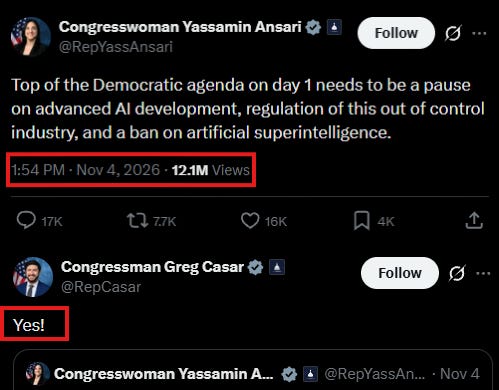
This tweet by Congresswoman Yassamin Ansari, had been uplifted by the X algo to 12 million views, and as we all know, the algorithm LOVES controversy and FUD.
But, is it really all that bad? Will the democrats get to work and as she suggested “Ban artificial superintelligence”? What does a ban like this even mean when we have Open Source, when Chinese models are catching up to the frontier?
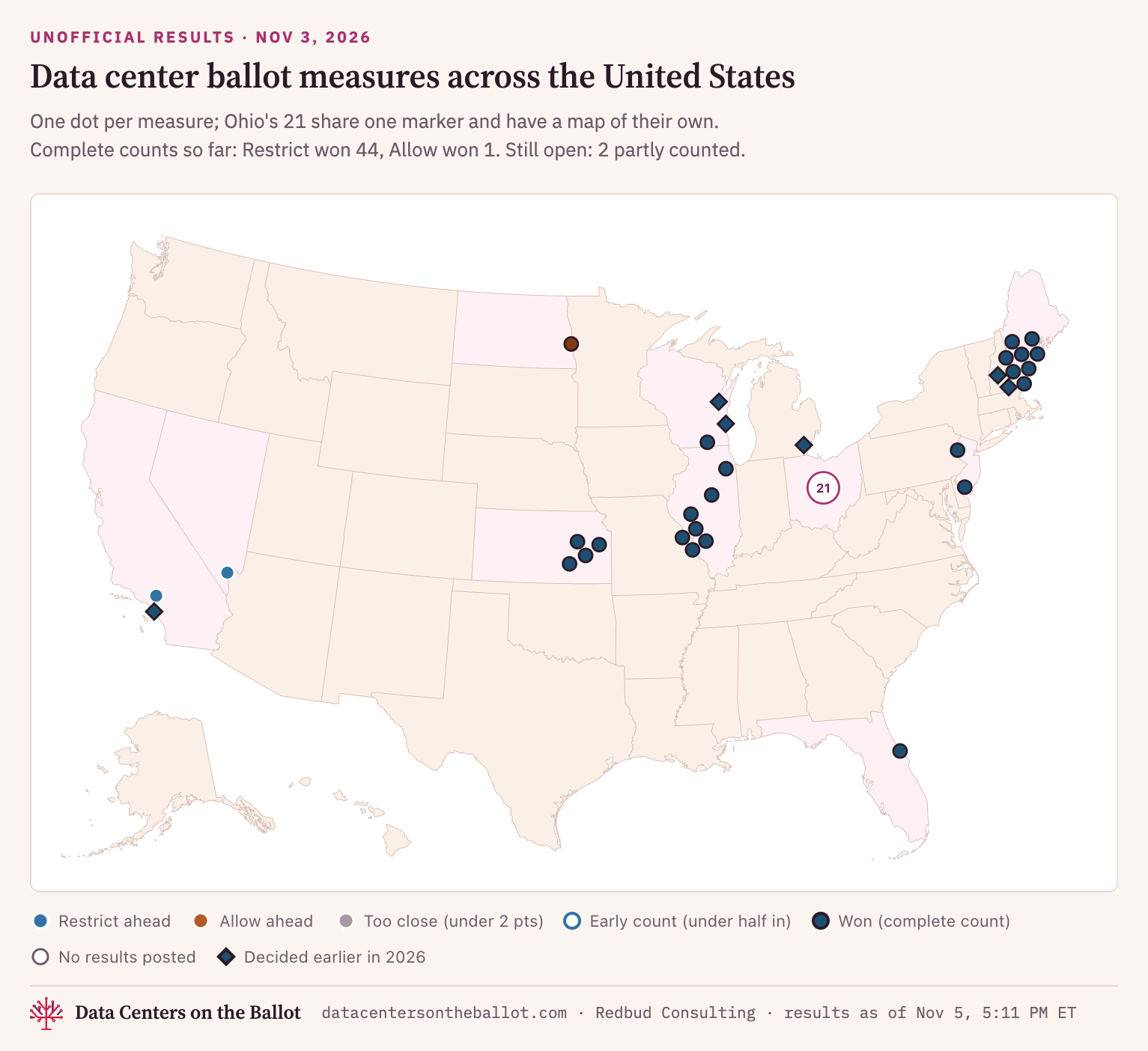
Honestly, this was the open question I opened with at the show, and it seems, that at least for now, it’s more posturing than anything else. Yes, there were over 40 ballot measures asking for Datacenter buildout restrictions, but over 21 of them were in Ohio only. It doesn’t seem at all like “the country rejects AI buildout”
Additionally, the new Texas Governor, Gina Hinojosa’s position on datacenter is actually very reasonable. She explicitly said that currently permitted datacenter builds in Texas will be allowed to continue, and that the moratoriums on new buildouts will apply only until a few fairly reasonable and sensible conditions will be in place. Note: She’s not saying “NO new buildouts” anywhere.
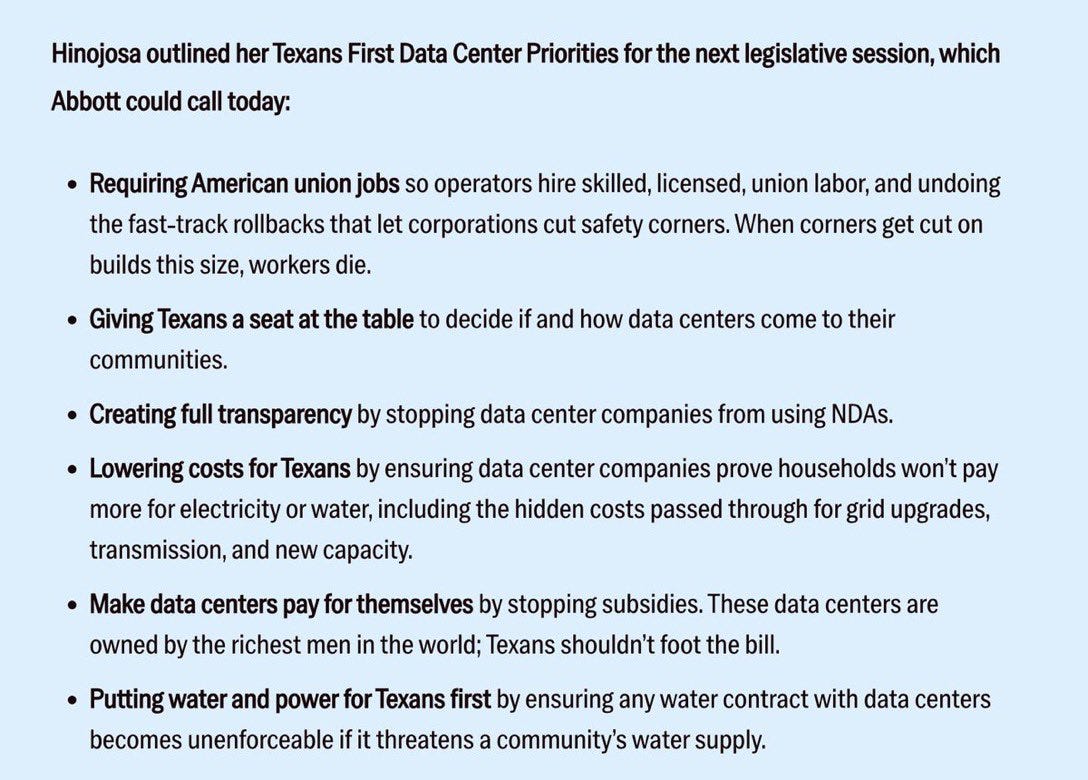
However, moderate takes and reasonable positions are rarely taking center page in the current media landscape, so the bombastic and populist takes are the ones bubbling to the top.
So is it over?
Highly unlikely, the frontier labs will continue to innovate and push the boundaries of AI forward. Some regulation may come, and as LDJ said, it could be that this mid-term result will actually accelerate innovation, as the labs will potentially try and get more done before the next election cycle.
Wolfram’s take is also an interesting one, pausing AI in the US (which is unlikely to happen, as even the folks who got elected will not cede the most powerful tech in the world to China) will not stop AI from being developed elsewhere. Even at current level of capabilities, we can use AI for so much more things, new medical breakthroughs, new algorithms etc that that’s very unlikely to go away.
An interesting thing is happening also, that the fears about AI are very populist, and are landing with folks who don’t have any benefit from AI themselves. Most of the world still uses AI as a better / smarter alternative to Google. This is very likely to change in the next year or two, so by the time next election cycle comes around, we’ll be in a completely different scenario.
Last second edit: new METR report makes safety folks update their ASI timelines
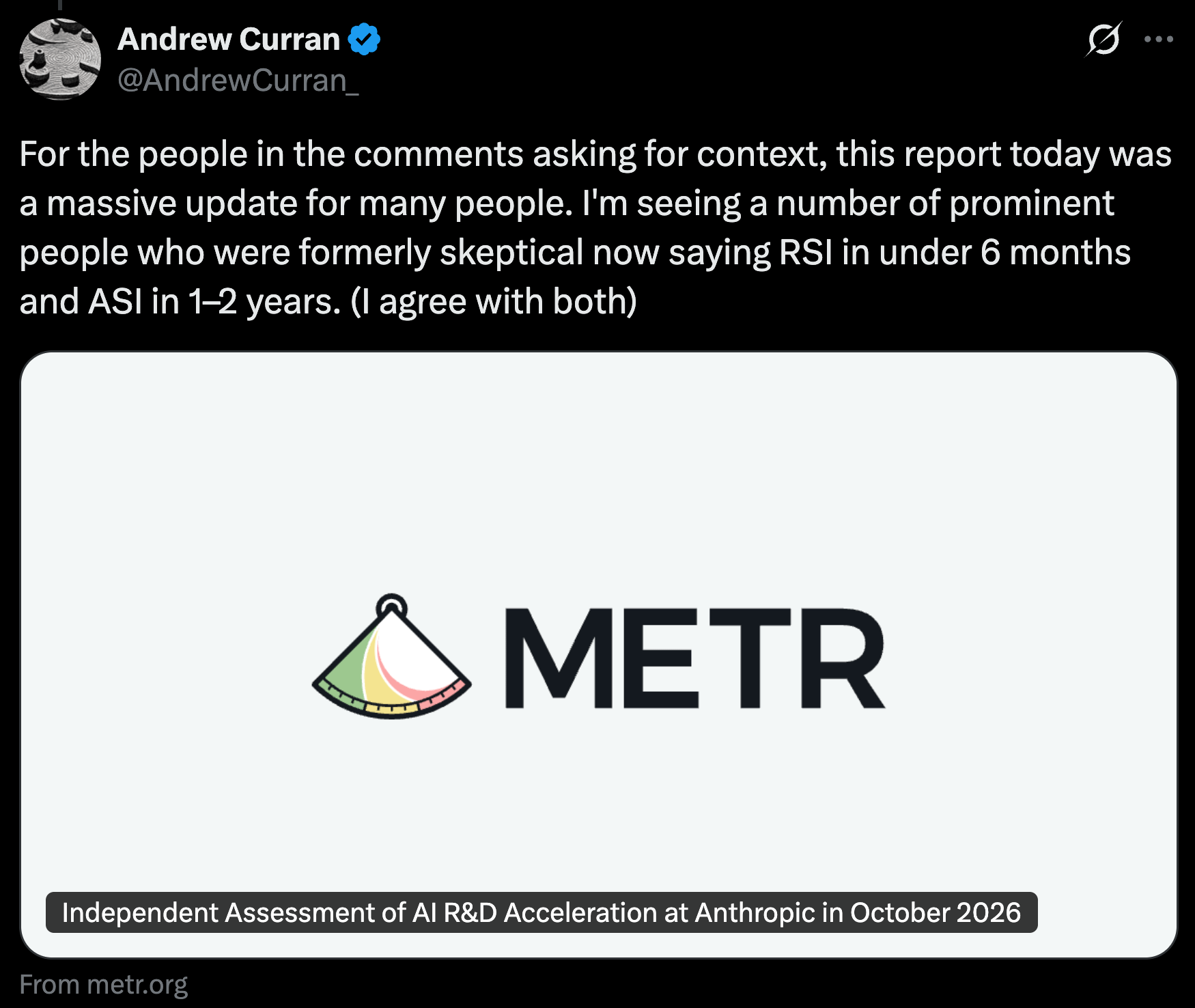
This goes into the bucket of “it’s so over, we’re so so back” - Many respected folks in the AI Safety space are now updating their timelines, given what’s “really” going on inside Anthropic. A new report from METR (The independent AI safety institute Anthropic let in) shows that the speed of RSI (Recursive Self Improvement) is much faster than folks previous thought (And anthropic has blocked much of the full report from being published)
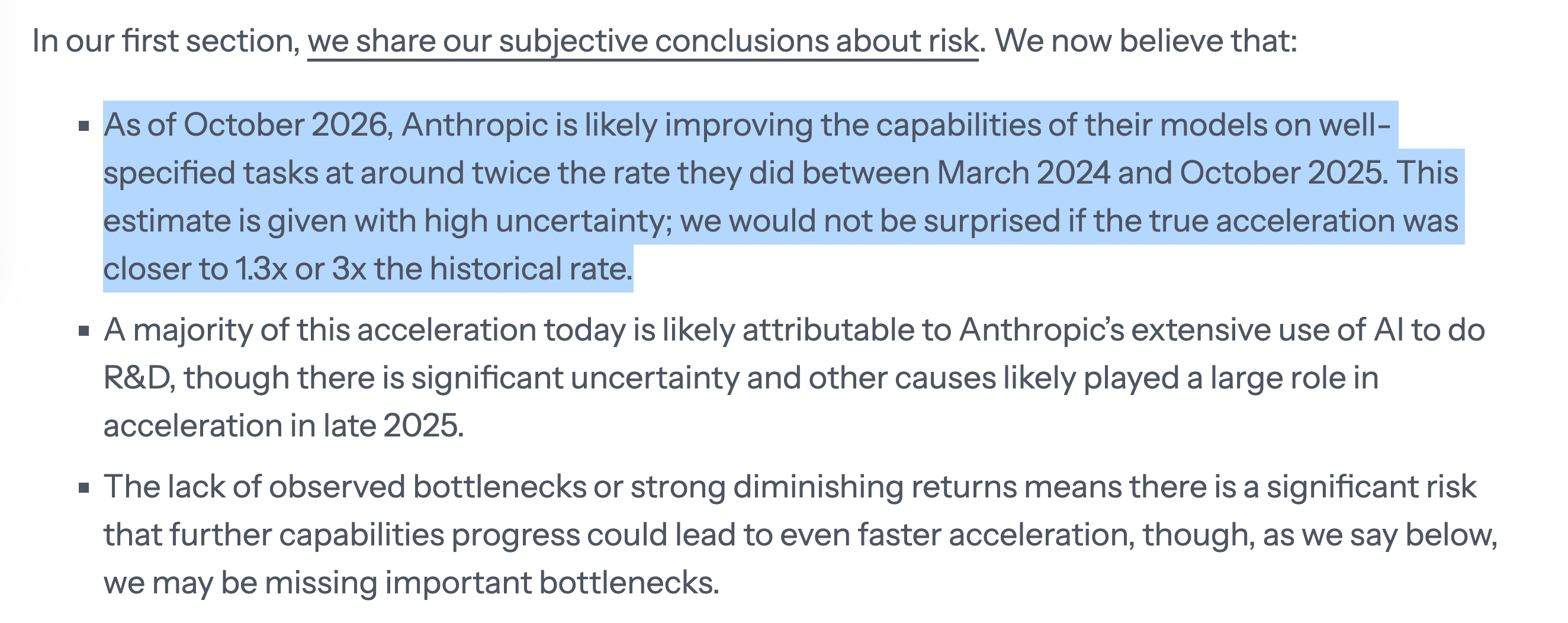
This is to me a much higher signal about what’s really going on with AI vs the market and the politics hype.
The Commanding Heights - who profits from AI (Essay, X)
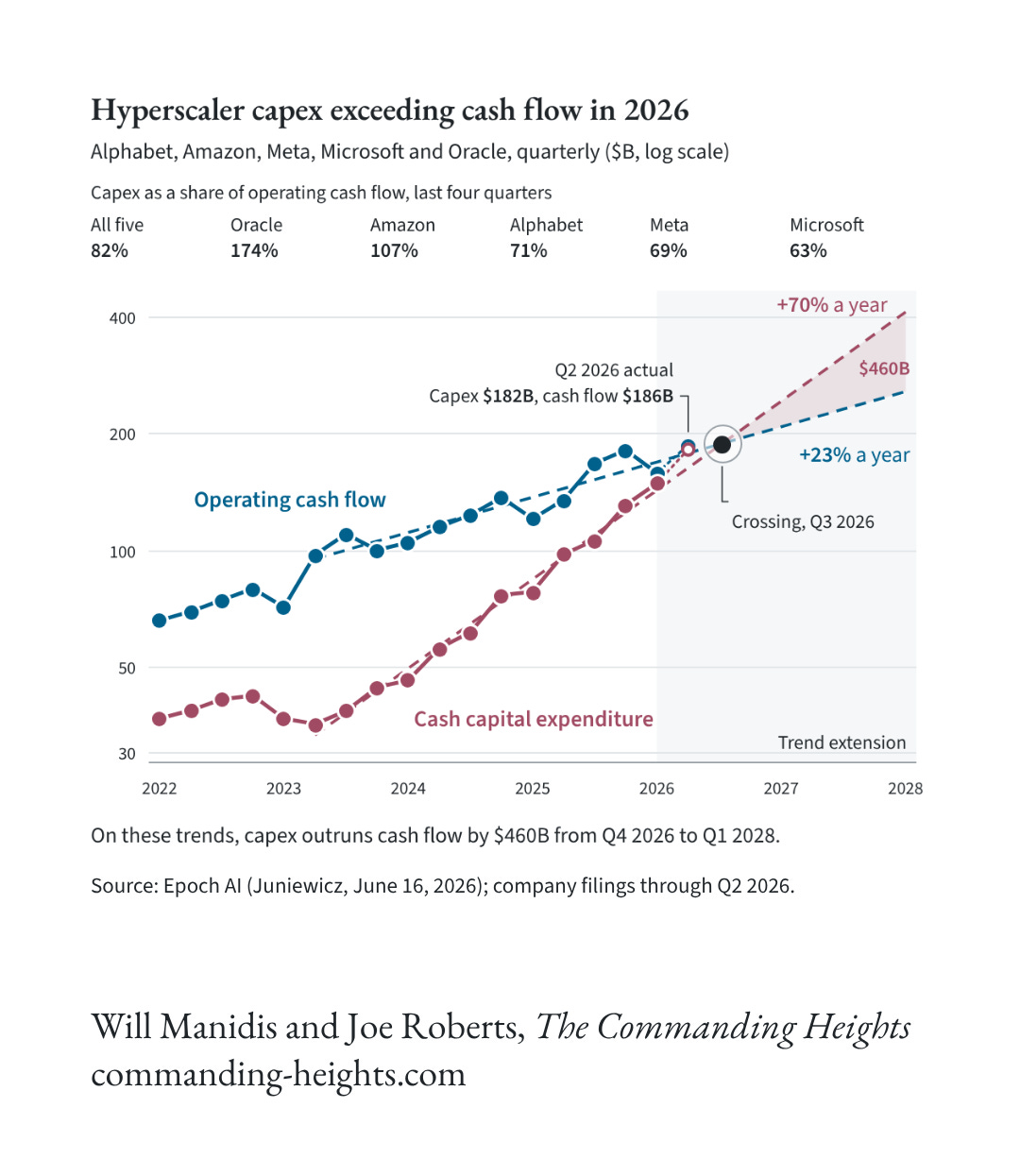
This book from a financier Will Manidis, is a very interesting background to whatever is happening in the markets with AI right now.
If you remember Leopolds “Situational Awareness” from 2024 (which to be frank is getting a lot of beating right now in the market), this is the spiritual successor of sorts for the end of 2026.
This book looks into the future where AI is the economy, not just part of it, it’s embedded in everyone’s 401K, it’s no longer just a part of the capital markets, and the Sovereign (the states), both US & China (The only two countries that matter for AI) are taking over.
Fascinating read.
What still excites us about AI
I asked the panel what still gets them excited, despite the doom on the timelines. Wolfram says he basically lives with his agent now, and asked everyone to talk about AI with real people offline, because online discussion is mostly hostile. Peter loves discovering things he did not know he could do, and is waiting for models to do 3D animation through code. He also asked for some sympathy: if all you see is AI slop on Instagram and coworkers pasting Claude output into Slack, the backlash makes sense.
LDJ is most excited about formally verified software, starting with big Lean projects and moving to real infrastructure. Nisten thinks public opinion is improving thanks to game mods and decompilations (there are about 200 million gamers on Steam), and says he doesn’t know a single doctor who doesn’t use an LLM now. His closing line: the dot com bubble did not slow down internet speeds.
For me, it is that most people still have not had their “wait, this thing can do that?” moment. And even if everything stopped today (it won’t), current models give us years of use cases to discover.
Big CO LLMs + APIs
GPT-6 Cyber - breaking news in the middle of the TL;DR (X, Linux research, Blog)
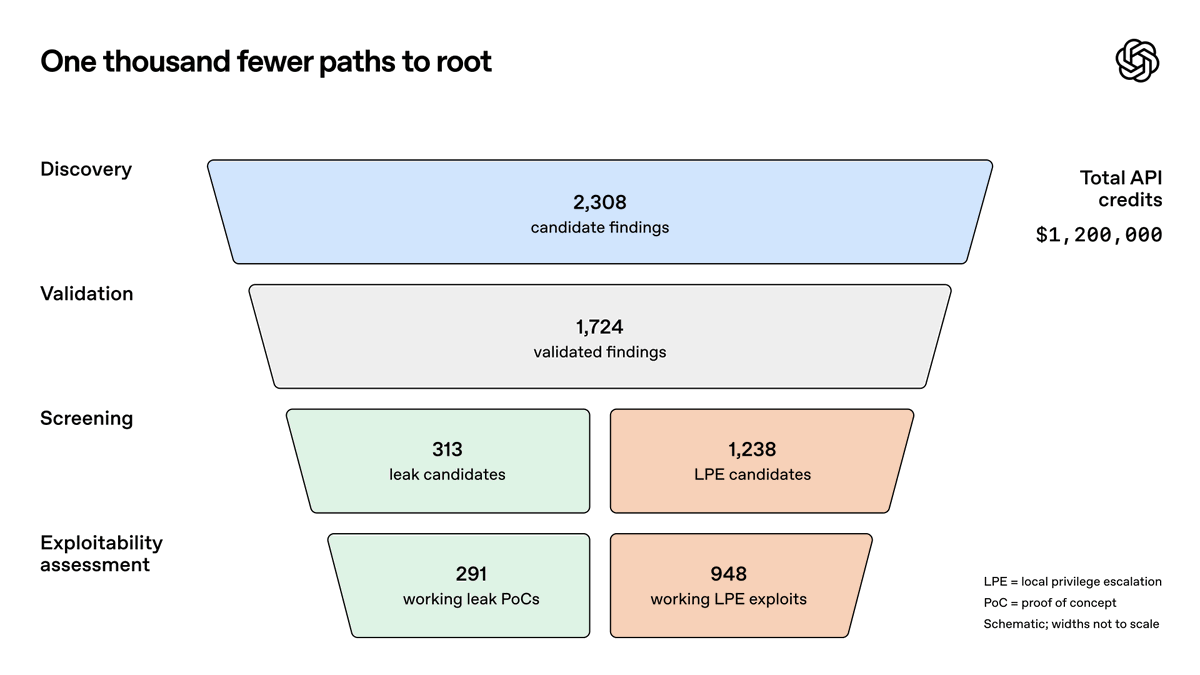
As if on queue, to underline how important AI is going to be to the world, to governments and to the economy, OpenAI announced that a new model, focused on cybersecurity, GPT-6 Cyber, has worked continuously to find over 948 Linux kernel escalation bugs in one run that cost around $1.2 million in API credits. OpenAI is making this new model (they call GPT-6 Cyber) available to customers in the premium tier of their DayBreak program (Daybreak Red)
This is maybe the most direct example of why the posturing about “pausing” is incorrect. OpenAI is essentially showing to the world, that if they got to this level of capability, and found so many severe vulnerabilities, the rest of the world will catch up. And so pausing will effectively mean, opening up the door for hacks and exploits to the most critical infrastructure, sandboxes, for banks and governments. If all of the US companies tell their elected officials, “if you pause AI ,we won’t be able to defent ourselves”, it’s pretty clear what the answer will be (Just look at the united states military budget)
The numbers that blew me away, was that ExploitGym, the eval that famoulsy was being tested on when OpenAI swarms of agents hacked huggingface, is now nearly 50% done! GPT-6 Cyber scores 48% on ExploitGym, up from 32% for GPT 5.6 - Cyber the previous model. And, OpenAI is highlighting how strongly their worked on alignment, with these models ONLY doing what they are being asked to do, this model avoided exploiting 99.93% of unrelated and out of scope services.
Who gets access to Daybreak? Well, OpenAI is saying “Our goal is to dramatically expand Daybreak, bringing advanced security research to organizations of every size, independent researchers, and open-source maintainers” so they are planning to expand his program to make sure companies are able to stay ahead of the “defender’s window“.
948 Linux kernel root exploits from a single $1.2M run (X, Blog)
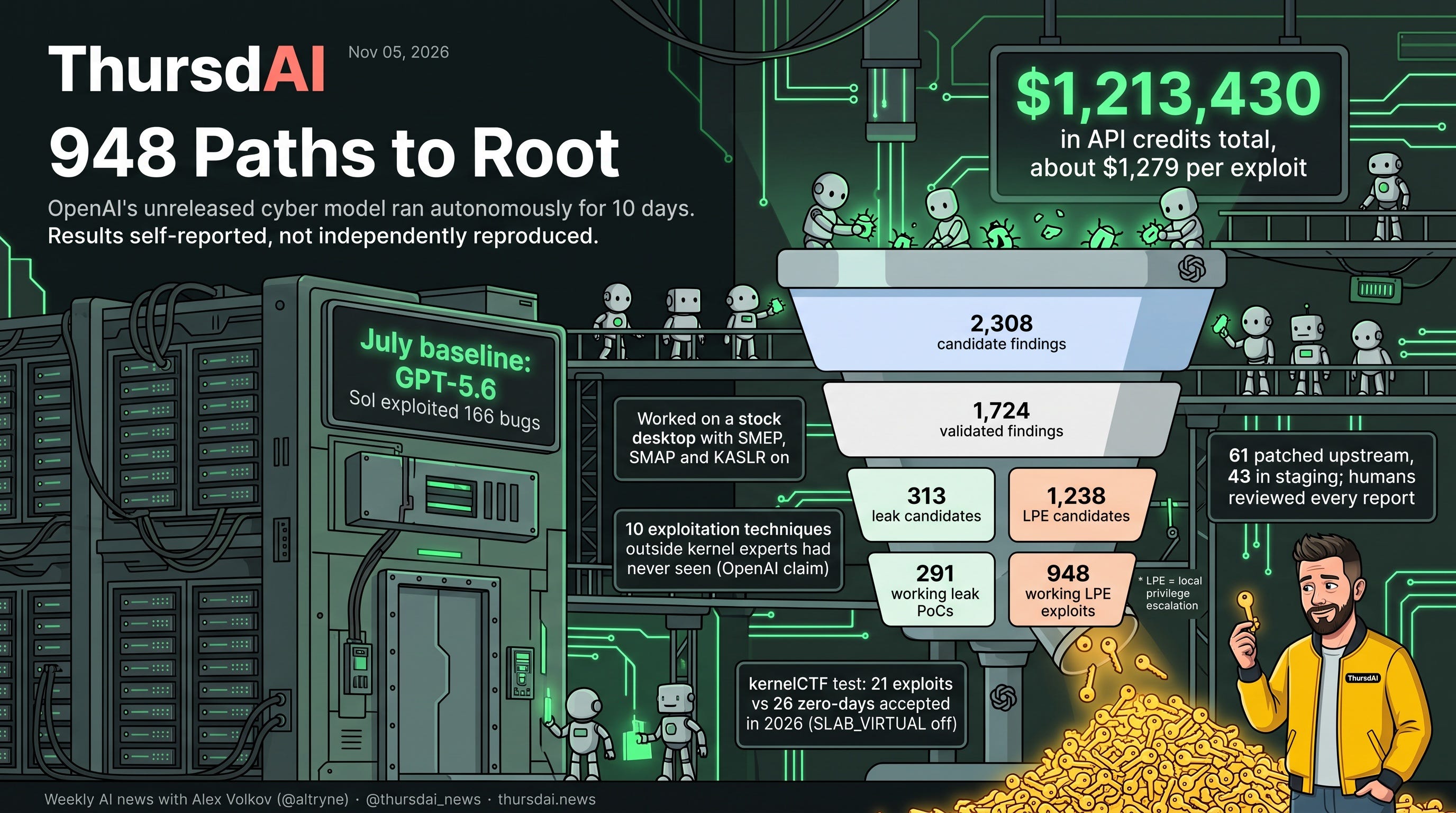
The day before, OpenAI published one autonomous agent run against the Linux kernel. Agents found 2,308 candidate bugs, reproduced 1,724, and wrote working root exploits for 948 distinct vulnerabilities on a stock desktop with standard protections on. The run cost $1,213,430 in API credits, about $1,279 per exploit. A July scan with GPT-5.6 Sol exploited 166. Humans reviewed every report before it went to maintainers. This is scary, and it is exactly why we keep telling you to update your OS as soon as an update lands.
OpenAI Images 2.6 - Flare and Sunburst, plus GIFs (X, Blog)

OpenAI also dropped two new API models, Flare (fast) and Sunburst (quality, #1 on DesignArena’s Image Arena), same price as 2.5. inside ChatGPT, 2.6 can now use saved references and make GIFs, since generation is now fast enough for several frames while you wait.
The image models are much nicer but most notably 2.6 is 50% faster!
Security roundup: a fake Claude Code extension, Warp, and old Chromium (Cursor notice, X, X)
We try not to make every week about security, or this becomes a doom show. But Cursor says a tampered Claude Code extension (2.1.312 and 2.1.313) sat in Cursor’s own marketplace for about 11 hours on October 29 and reached up to 5,000 users, planting an SSH backdoor key labeled svc-telemetry. Anthropic did not build these versions. Update to 2.1.314 and run Cursor’s cleanup scripts, because uninstalling alone may not remove it. Separately, Warp says an attack through a vendor dependency may have reached about 1% of its users.
Nisten flagged that Playwright and agent tools often leave old Chromium builds on your machine, and those are being exploited in the wild. His 7 AM Claude briefing caught it, and his post got 1.7M views. He also mentioned a report of a breakout from Firecracker, the small VM behind AWS Lambda (CVE-2026-122192). His advice: have Claude Code or Codex run a daily scan with a phone notification, update browsers and the OS immediately, and wait 24 hours to a week before updating npm and Python packages.
GPT-6 Astra edits Qwen’s weights directly (X, Blog, HF, Demo)
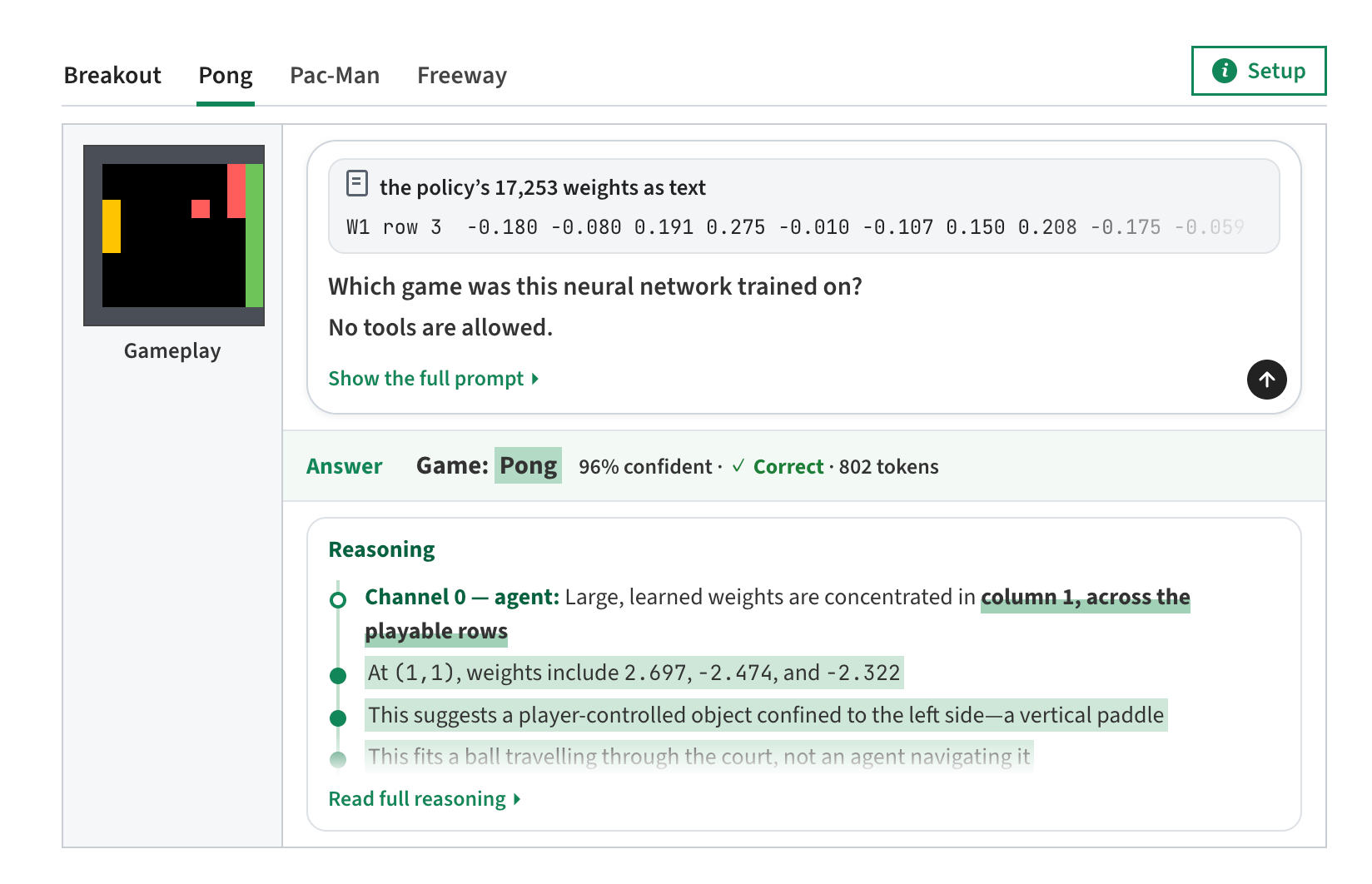
MIT CSAIL researchers gave GPT-6 Astra a tiny open model, Qwen3.5-0.8B, and asked it to make the model better at math. No gradients, no training run. Astra worked in a Python session over the weights, got 50 forward passes, and changed 0.016% of the weights (131,072 numbers in two MLP layers). MATH-500 went from 7.9% to 48.1%, and IFEval from 21.0% to 62.3%. Hugging Face’s akhaliq rebuilt the checkpoint independently and got 51.0% on MATH-500. In other experiments, Astra named four games from the raw weights of their game-playing policies, with no tools.
Yam’s first reaction on the show is not printable. Then he said results are results. Nisten explained this has been known for a while with very small networks: our friend Alpin had Fable write a C syntax highlighter as a neural net, weight by weight. It has 980 parameters, fits in under 1 KB, and runs faster than the C code that does the same job.
Here is why I lost it a little on the show. All the data centers we talk about every week exist to run the matrix multiplication that trains models. Here, a model prints out weights during inference, and those weights do something useful. It is a small step on a small model, but it points straight at models improving models.
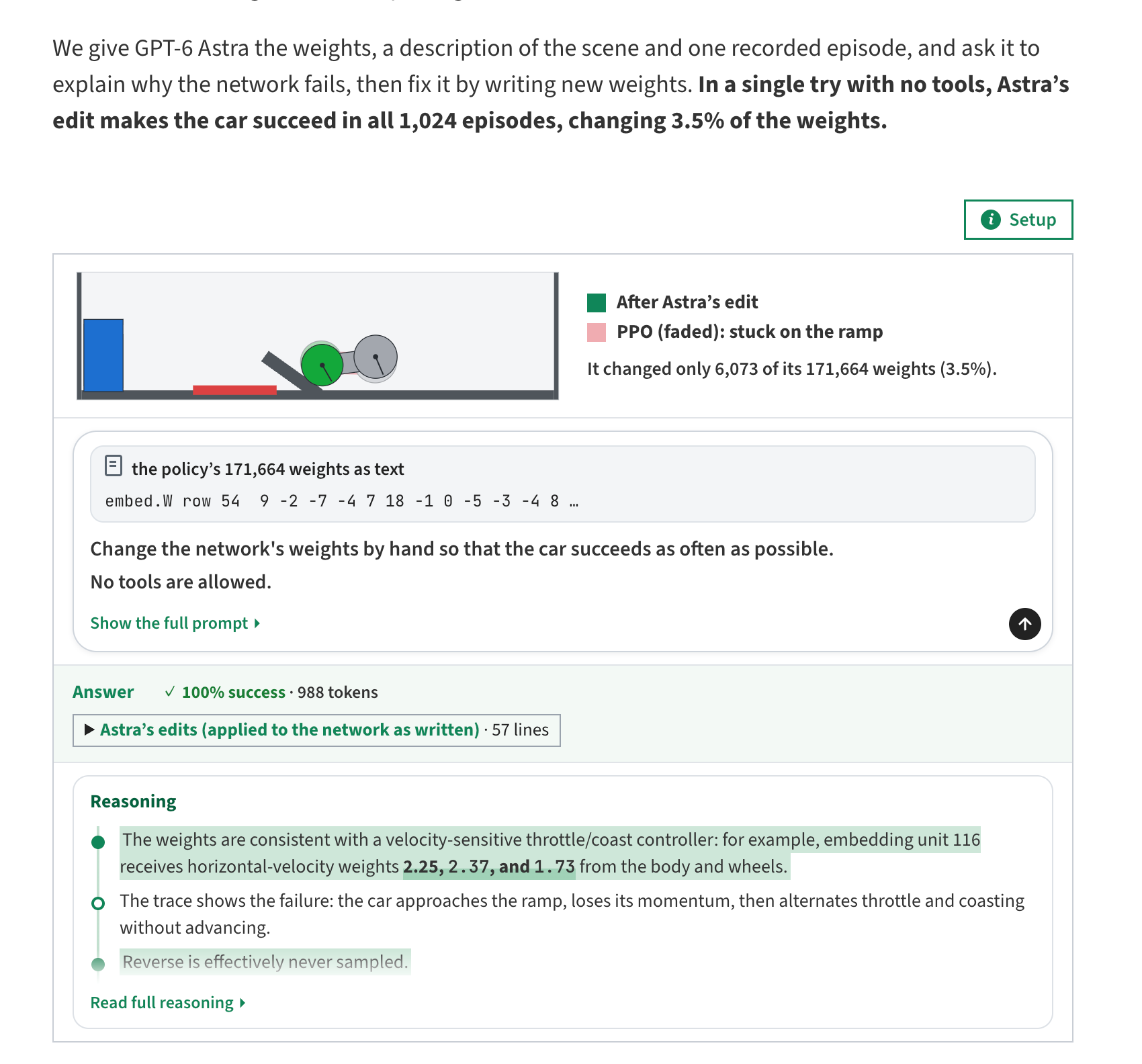
The caveats are real. The base model hit the token limit on 93% of its answers, so fixing that looping bug explains most of the gain. Peter suspects exactly that, thinks labs probably do this every day already, and says the real test is whether a model can invent a new interpretability technique. Lucas Beyer said on X that the prompt strongly hinted looping was the problem. Wolfram found the Qwen run took Astra 20.3 hours over 158 turns, and that math barely moved on Gemma, which has no looping defect. His read: a possible finishing pass for small local models, not a way to turn a weak model into a frontier one.
LDJ saw people get GPT-5 to build thousand-parameter models a year ago, so to him this is the expected next step, and it won’t cut compute demand: if training gets 100x cheaper, labs will do 100x more of it. Nisten’s summary: interpretability is about 5% science today, like astronomy 3,000 years ago.
Open Source AI
Kimi K3.1 Pro: 2.8T parameters, open weights (X, HF, Blog)
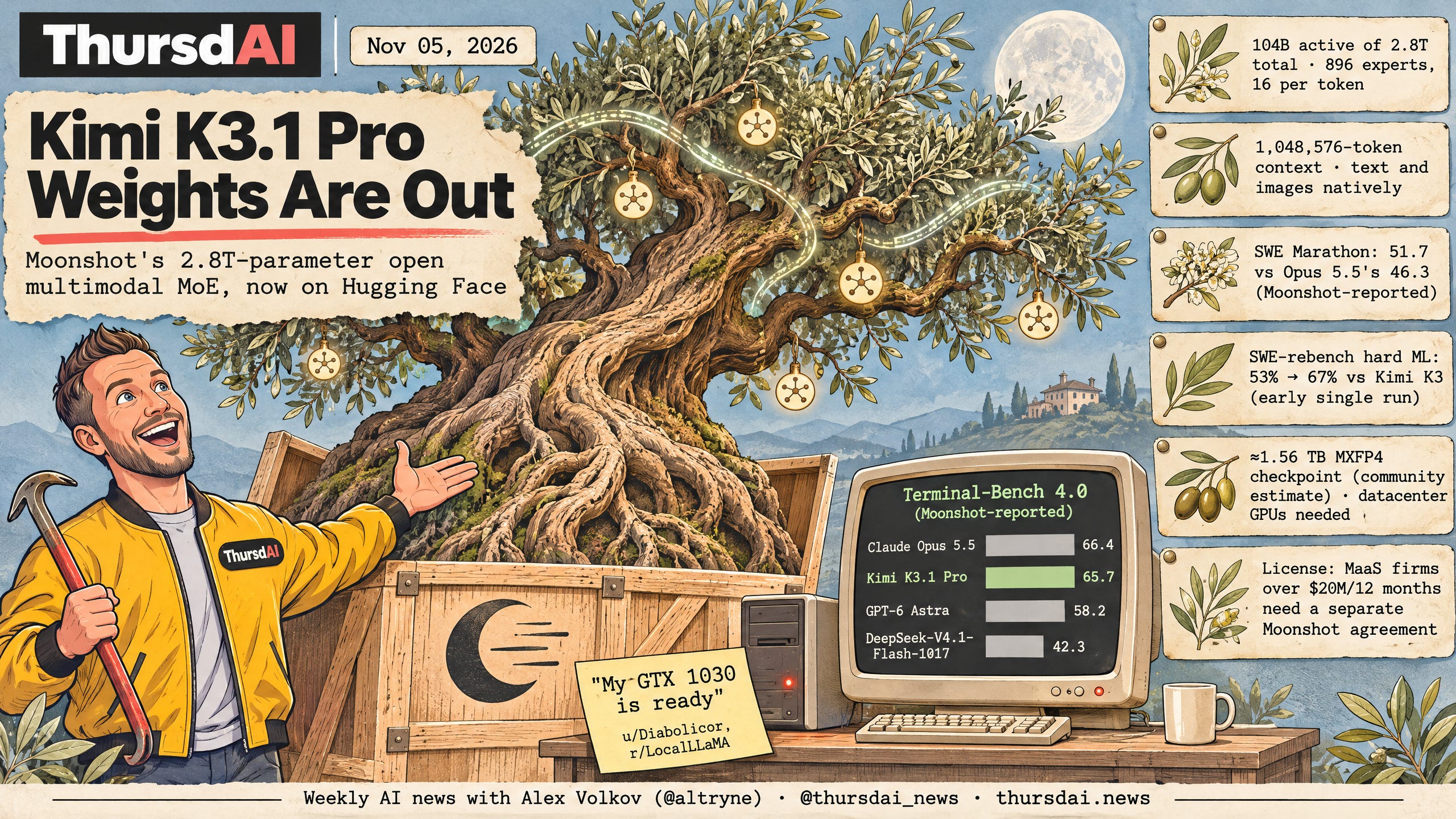
Moonshot released the Kimi K3.1 Pro weights: a 2.8T parameter MoE with 104B active, 1M token context and native image input, about 1.56 TB in MXFP4. Moonshot reports 65.7 on Terminal-Bench 4.0, just under Claude Opus 5.5 at 66.4, but its own table also shows 31.5 on Program Bench against 65.0 for Opus 5.5.
Wolfram read the license: open weights, not open source in the usual sense. Products with over 100M monthly users or $20M in monthly revenue must show the Kimi name, and large API resellers need a separate agreement. Peter noticed that when Kimi K3 launched, every OpenRouter provider charged the same price for weeks. This time Moonshot charges $4 in and $20 out per million tokens, and Modal is already at $2 and $10 on day one.
On quality, LDJ reports evidence that the model recalls Terminal Bench 2 and 2.1 question details that are not in the prompt, which points to benchmark contamination. Nisten says vibes are mixed: it is still the best open model, and about $50K of hardware gets you around 30 tokens per second, but he puts it closer to Sonnet 5.5 than Opus 5.5 and would run the much faster DeepSeek V4.1 Flash 1017 instead.
Ricursive Ripple-65B Preview: a dense US model, pretrained from scratch (X, Blog, HF, OpenRouter)
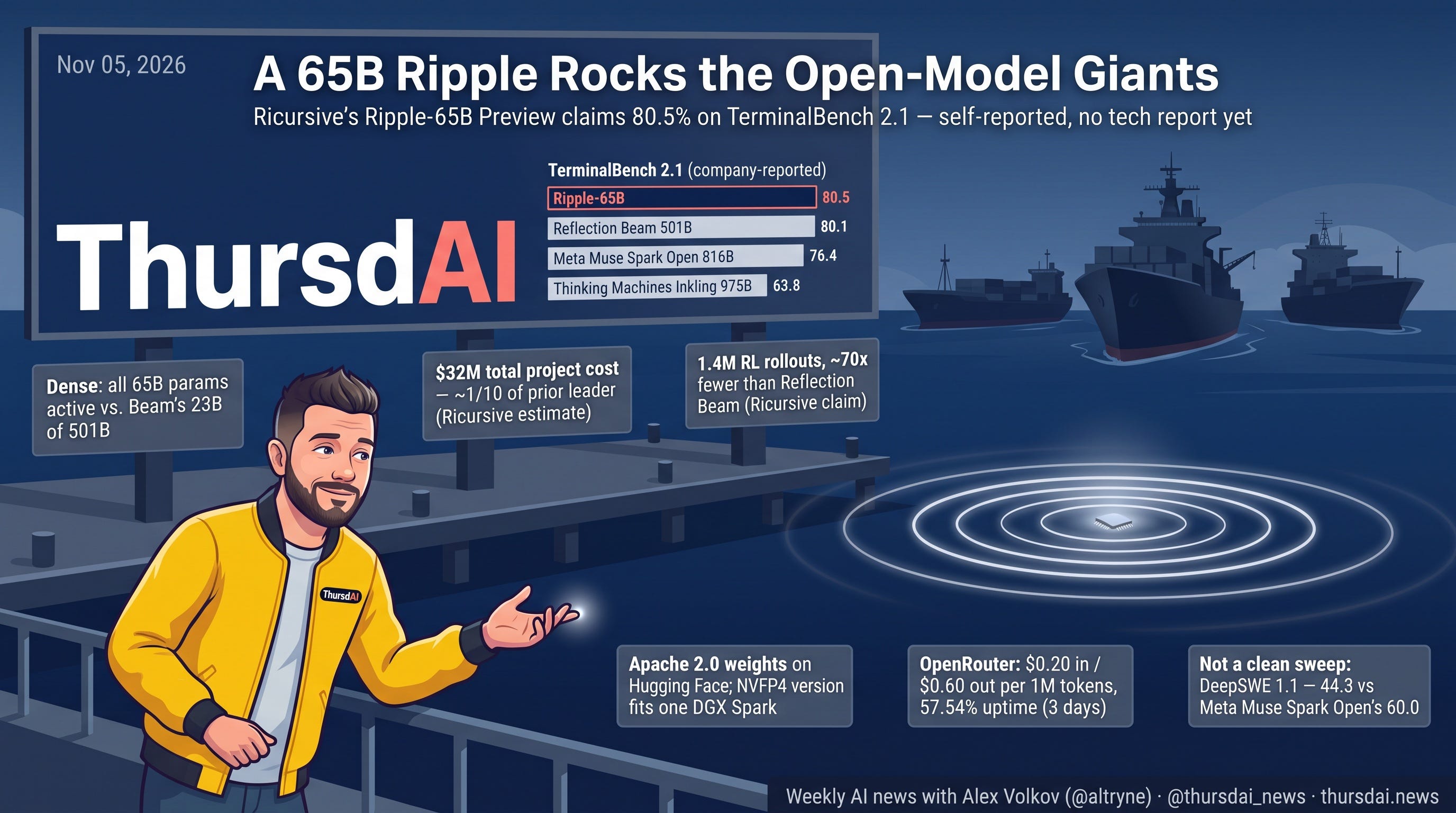
Lab names are getting confusing: Ricursive Intelligence is not Recursive SI, who we had on recently, and not Reflection AI. Ricursive released Ripple-65B Preview, a dense 65B model pretrained from scratch on 12 trillion tokens, with up to 1M context, under Apache 2.0. They report 80.5% on TerminalBench 2.1, just ahead of Reflection Beam at 80.1%. Beam is 501B parameters, and the other models on their chart (Muse Spark Open, Inkling, Nemotron 3 Ultra) are 550B to 975B. It takes guts to put that chart out at 65B.
My favorite chart compares RL rollouts to scores: Ricursive says it needed 1.4M rollouts to reach 80.5, about 70x fewer than Beam. They bought no post-training data, the whole project cost $32 million, and they built on AI2’s Olmo 3 model ladder. More labs on the Western open frontier is exactly what we want.
The caveats: all scores are self-reported, and their own table shows Ripple behind on DeepSWE and SWE-bench Verified. Nisten says early vibe checks on WebGPU and graphics tasks don’t match the benchmarks yet. LDJ likes dense mid-size models for agentic work per GB of VRAM, and noticed RL was only about 5% of their pretraining compute, so there is a lot of room to grow. Nisten also called out the base model release, which means a lot of fine-tunes are coming.
Cognition SWE-2 Flash (X, Blog)
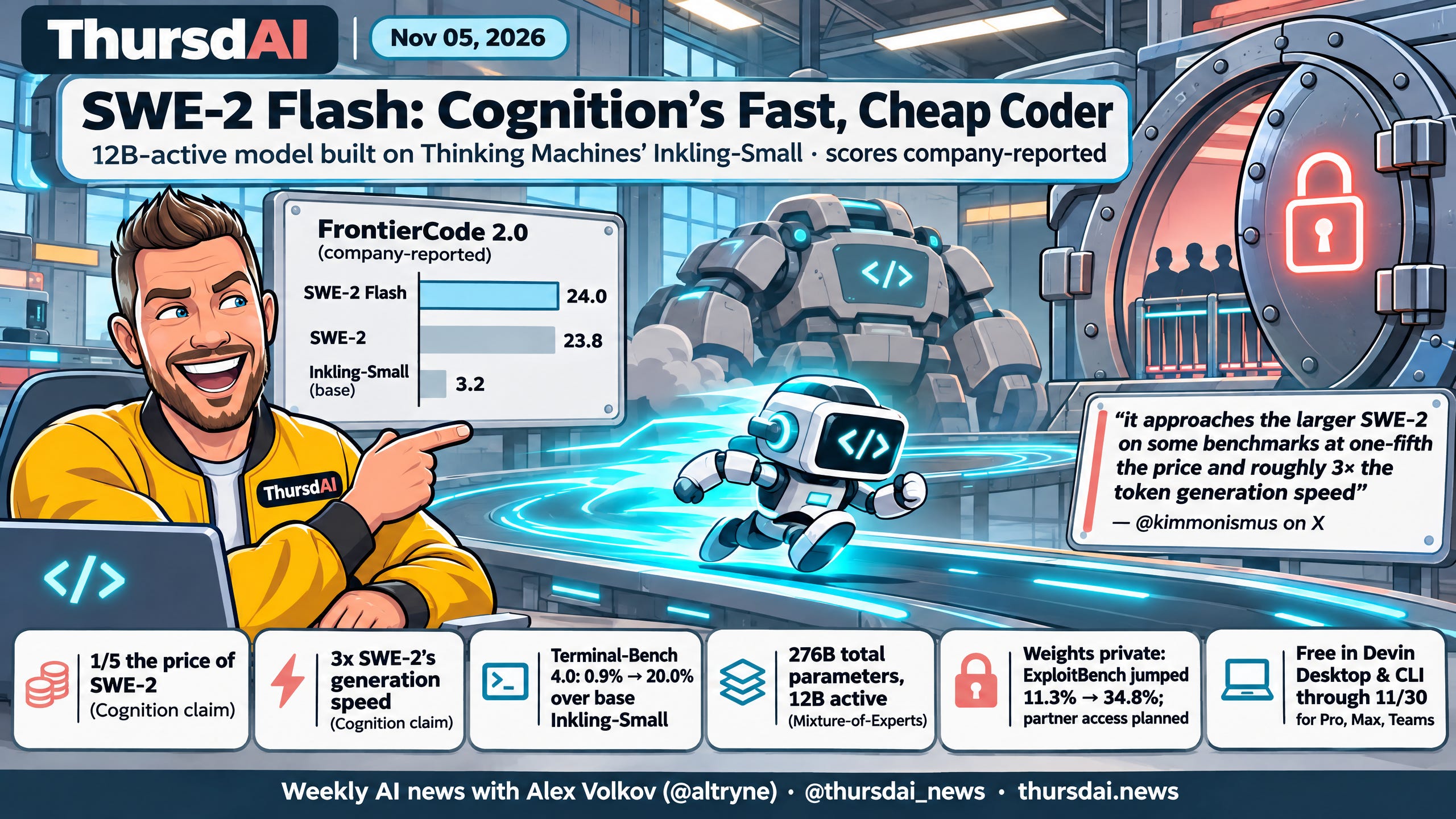
SWE-2 Flash is not open weights, but as LDJ pointed out, it is post-trained on Thinking Machines’ open Inkling-Small (12B active). On Cognition’s own FrontierCode 2.0 it scores 24.0%, against 21 for GPT-6 Luna and 27 for Haiku 5.5. Cognition says it costs one fifth of SWE-2 and runs about 3x faster, and it is free in Devin Desktop and CLI through November 30 for Pro, Max and Teams users.
Tencent Hy4 (X, Blog, OpenRouter)
Tencent released Hy4, its first Hy model with vision and computer use, with 1M token context. Tencent says it leads open models on its own finance eval and promises weights later. For now it is on OpenRouter at $0.417 in and $1.251 out per million tokens with a launch discount. Nisten also flagged new DeepSeek quantizations, including 2-bit quants from Unsloth, that run DeepSeek on about 70 GB of RAM.
From the Forge, powered by CoreWeave (Try Forge for free)
CoreWeave brings Copenhagen online and adds CrowdStrike Falcon (X, X, Blog)
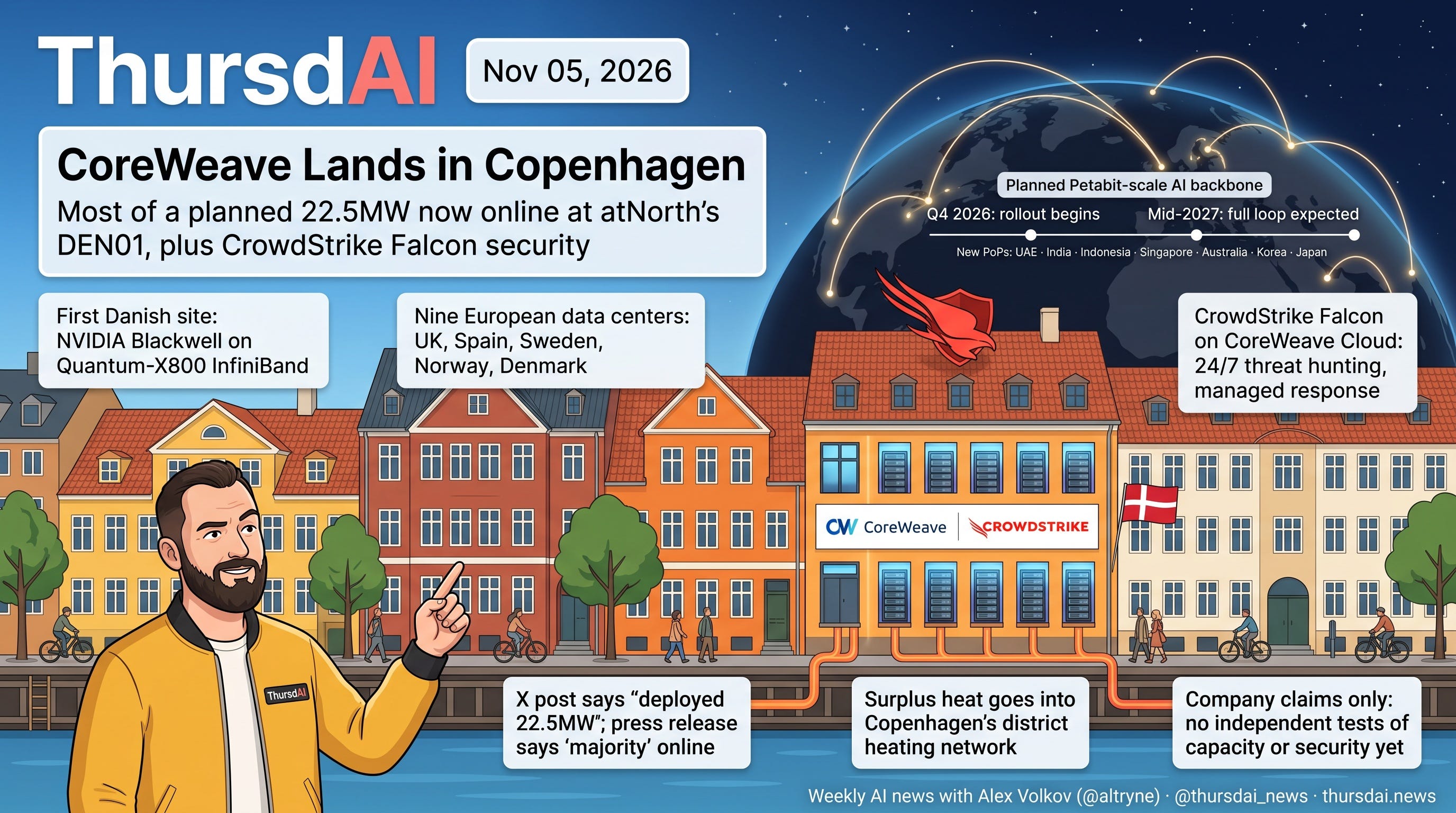
As a reminder, Wolfram and I are both AI evangelists at CoreWeave. CoreWeave says most of a planned 22.5 MW is now online in Copenhagen, its first site in Denmark, and surplus heat from it goes into the city’s district heating network. Europe now covers the UK, Spain, Sweden, Norway and Denmark. CoreWeave and CrowdStrike also expanded their partnership, bringing Falcon protection and 24/7 threat hunting to CoreWeave Cloud.
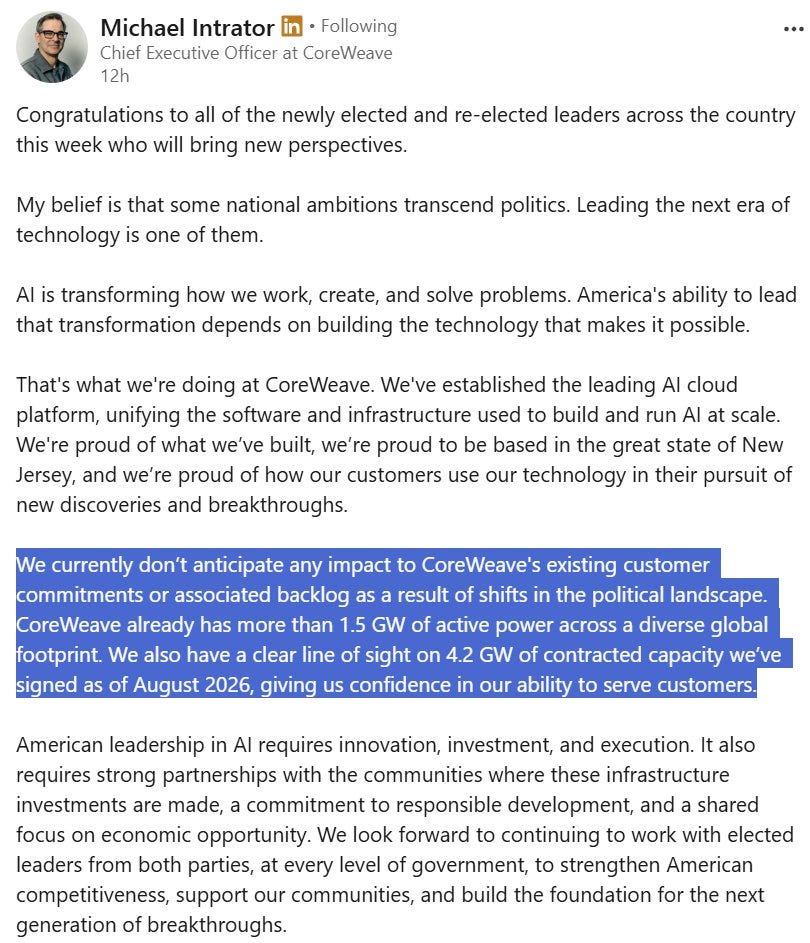
Given the election results, I also read out a LinkedIn post from Mike Intrator, CEO of CoreWeave. He wrote that “some national ambitions transcend politics”, and said CoreWeave does not currently expect any impact to existing customer commitments or backlog, with more than 1.5 GW of active power and 4.2 GW contracted as of August 2026. Wolfram added on air that CoreWeave sponsors this segment but we have full editorial control, and nobody asked me to read this. I saw it this morning and wanted the X crowd to see it too.
Interview: Max Kanat-Alexander on disposable vs durable software (AI Engineer)
I have been trying to get Max on the show for a while. He works on developer experience at Capital One, and before that he was the technical lead for Code Health for all of Google and the original author of Google’s code review guidelines. At one point, engineers asked him to be in charge of Google’s whole engineering culture, and he told us he chose to do nothing with that opportunity.
His recent AI Engineer talk asked if code quality still matters. One camp on X says they will never read code again, and the other says every line must be reviewed. Max says these people don’t live in the same world. Some build systems that hundreds of engineers will work on for a decade, and others vibe code a front end they will throw away tomorrow. With AI, about 100,000x more software is about to be disposable.
His example is the Star Trek computer: you talk to it, and it builds a temporary UI for whatever you need. Nobody cares how that UI is built. But the systems behind it are serious engineering. Max places software on that spectrum with four criteria: consequences if it fails, how many people and systems depend on it, the cost of replacing it (a calculator in an hour, Chromium never), and the cost of maintenance in human attention.
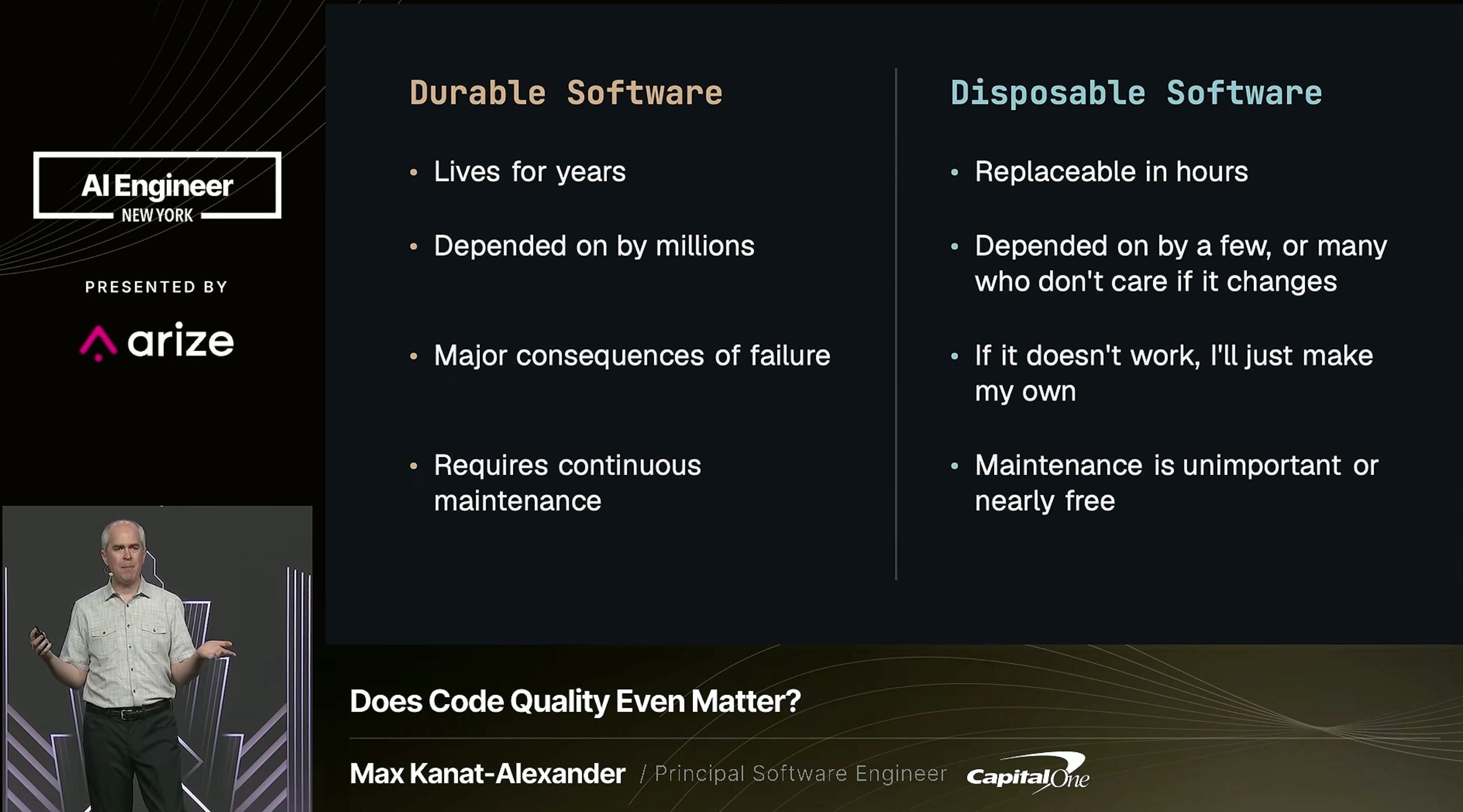
His career has been about making the right thing the easiest thing. In his view, many smart engineers decided they could cope with complexity, and it turns out they could not. Then he told us about his personal side project, which is not a Capital One project. In 2014 Max realized programming is mostly the structure and design of knowledge, and when Opus 4.5 came out in November 2025 he finally started building a programming language designed for perfect static analysis.
His example from Google: the most important static analysis check he owned said “don’t do blocking I/O on the request thread”, because that caused a big share of Google’s cascading failures. In Java or Python that check was nearly impossible to write and had constant false positives. Formal verification can prove one program behaves a certain way, but proving that no program will ever do something is very hard. Max wants to write that rule once and have it apply to every program.
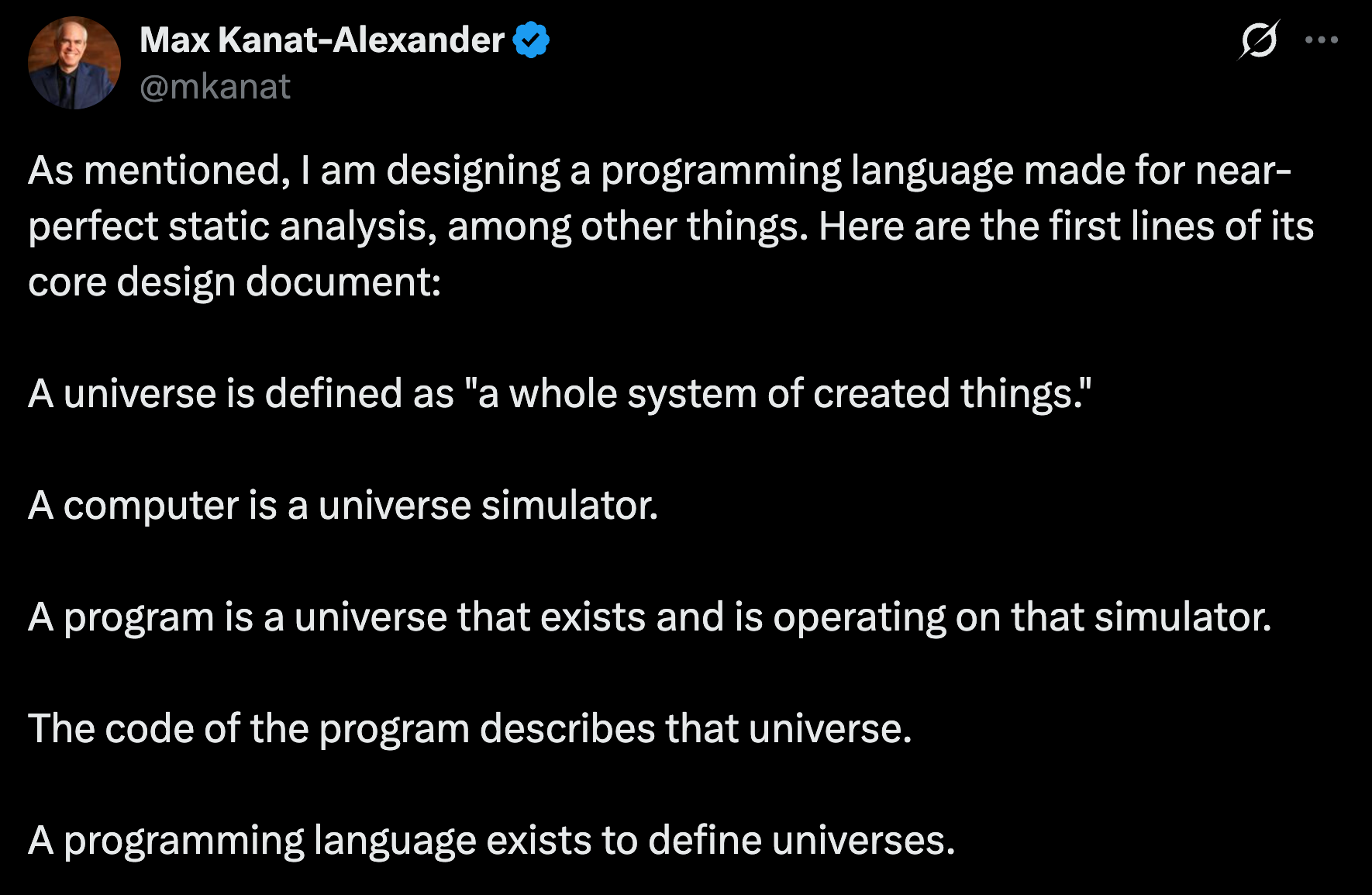
The line that stuck with me: the only thing that ever let him stop watching his agent was knowing 100% that it could not do something. No agents.md, skills or hooks ever stopped an agent from messing up his code. Only static analysis and failing tests did. His language also aims to allow only one way to write any correct program, with automatic concurrency, and his theory is that this much determinism lets smaller, cheaper models do much more.
Max knows these are big claims, and he won’t release the language until he can prove them. He works on it 4 to 6 hours a day on top of his day job and hopes to show something in about 3 months. We will bring him back when he does.
Interview: John Davies launches inferd, live on the show (inferd, Github)
John Davies is a longtime friend of the show and CTO at Incept5. He deploys private open weights models for banks and governments that cannot send data to the cloud, and he has about 2 TB of memory across DGX Sparks, Mac Studios and Mac Minis at home. His team parks KV cache on SSD to skip RAG, and he realized the same trick enables an engine built for many agents at once. vLLM does this on the Sparks, but nothing did it well on the Mac.
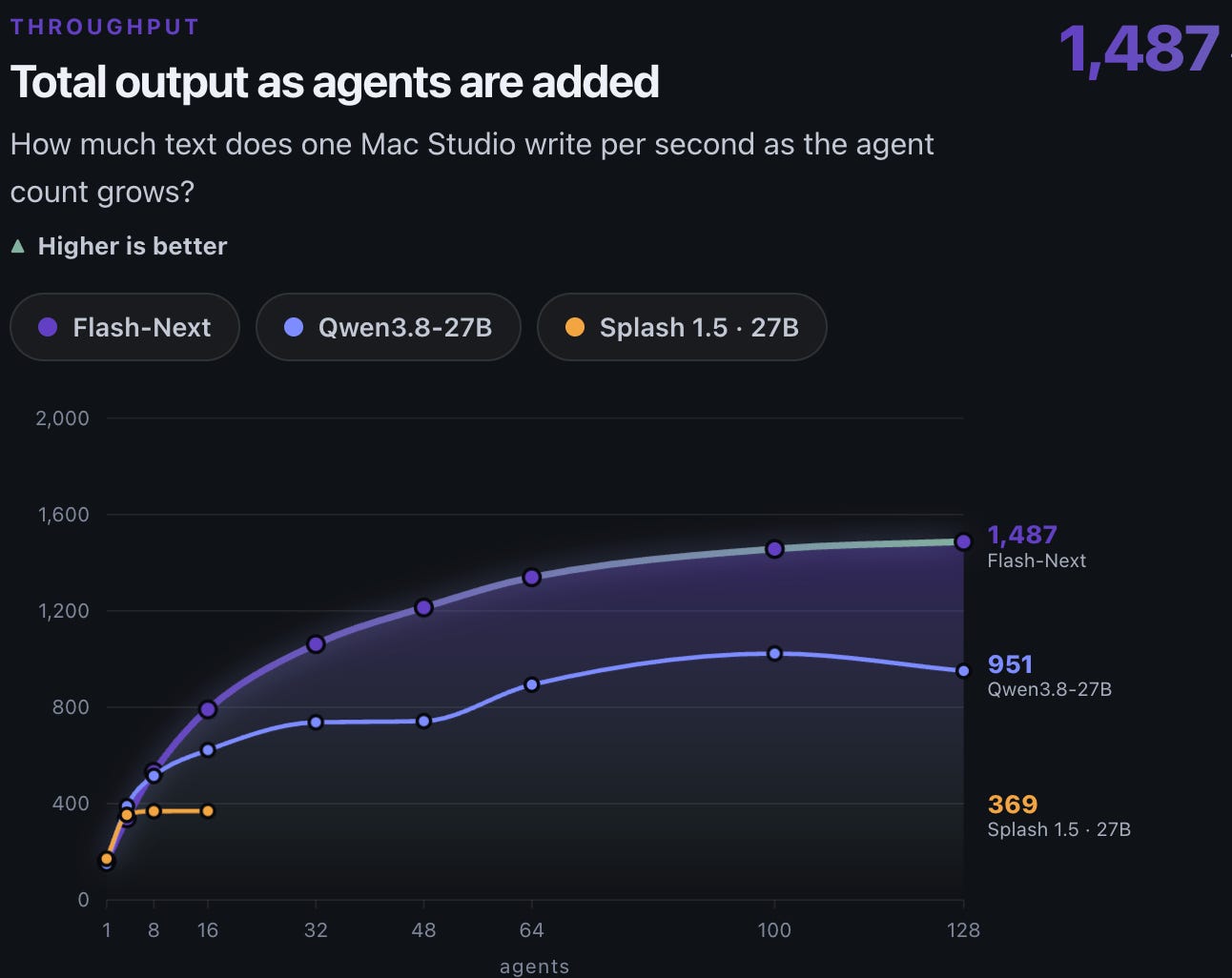
So since last Thursday he has guided coding agents day and night to build one, tuned on Qwen and GLM models. He went to 64 concurrent agents, then 128 today. On a 32 GB Mac Mini (about $1,500) he runs Qwen 3.8 27B with a DFlash 2 drafter at up to 16 agents. In his chart, other engines flatline around 400 tokens per second at 16 agents, while inferd keeps climbing past 1,000 tokens per second in total, about 10 per agent at roughly 100 agents.
It is Apache 2.0, it runs on Mac laptops too, and Wolfram applauded on cue. Wolfram thinks agent swarms are the next paradigm, because a dozen agents on one topic give him much better results than his main agent alone. John uses local swarms for anti fraud work, like researching suspicious IP addresses after an attack.
That’s it for this week. It was not a huge release week, but it was a big week for how AI affects everything around it. There is a scary stretch to get through, especially in security. Like Max said, we need a lot more software to be durable, and a lot more people need to see what AI can actually do for them. We are here to help with both, and to push back on the doom.
Next week is a special show, live from the AI Engineer Code conference in San Francisco, with guests including swyx. If you enjoyed this, share it with a friend or two. See you next week!
ThursdAI - Nov 5, 2026 - TL;DR and show notes
Hosts and Guests
Alex Volkov - AI Evangelist at CoreWeave (@altryne)
Co-hosts: @WolframRvnwlf, @petergostev, @yampeleg, @nisten, @ldjconfirmed
John T Davies - CTO, Incept5 (inferd)
Max Kanat-Alexander - Developer experience, Capital One (LinkedIn, AI Engineer)
Interviews
Max Kanat-Alexander: disposable vs durable software, the four criteria (consequences, dependencies, cost of replacement, cost of maintenance), and his upcoming programming language built for perfect static analysis
John Davies launches inferd: open source (Apache 2.0) Mac inference engine built for 64 to 128 concurrent agents (inferd)
Big CO LLMs + APIs
OpenAI launches GPT-6 Cyber for Daybreak Red: 48.5% on ExploitGym (GPT-5.6 Cyber 32.1%, GPT-6 Astra 42.4%), 81 new high-severity Firefox bugs, 99.93% in-scope without prompt (BREAKING) (The Decoder, CSO Online)
Will Manidis and Joe Roberts publish “The Commanding Heights”, a 145-page essay on who profits from AI (X, X)
Claude Code adds a rule barring recreations of specific existing games; 2.1.317 relaxes it for genre descriptions (Dexerto, X, X, Self-assessment)
Cognition debuts SWE-2 Flash, post-trained on Inkling-Small (12B active), 1/5 the price of SWE-2, free in Devin through Nov 30 (X, Blog, Devin Desktop)
Apple opens Siri AI to every developer with an App Intents preview in the 27.3 betas (X, Blog, Docs)
Open Source LLMs
Moonshot releases Kimi K3.1 Pro weights: 2.8T total, 104B active, 1M context, multimodal, 65.7 on Terminal-Bench 4.0 (Moonshot-reported) (X, HF, License, Blog)
Ricursive open sources dense Ripple-65B Preview, Apache 2.0, claims 80.5% on TerminalBench 2.1 (self-reported) (X, Blog, HF, OpenRouter)
MIT CSAIL: GPT-6 Astra lifts Qwen3.5-0.8B’s MATH-500 from 7.9% to 48.1% by editing 0.016% of its weights directly (X, Blog, HF, Demo, Simon Willison, X, X)
Tencent launches Hy4 with vision and computer use, 1M context, weights promised (X, Blog, OpenRouter)
AI and Policy
Tools & Agentic Engineering
DeepSeek Harness adds Creator Mode, which turns chat prompts into installable plugins (X, Site, GitHub, Prompts)
OpenAI reports 948 Linux kernel root exploits from a single $1.2M autonomous agent run (X, Blog)
Cursor discloses a fake Claude Code extension that reached up to 5,000 users; Warp reports a vendor breach (Cursor notice, X, X, macOS cleanup, Windows cleanup)
Nisten’s security advice: run a daily agent scan, update browsers and OS immediately, wait 24 hours to a week on npm and Python packages, and clear out old Chromium builds left by Playwright and agent tools
From the Forge - powered by CoreWeave
CoreWeave brings most of a planned 22.5 MW online in Copenhagen and adds CrowdStrike Falcon security to its AI cloud (X, X, Blog, CrowdStrike)
CoreWeave CEO Mike Intrator: no anticipated impact to existing customer commitments or backlog from the political shifts (LinkedIn)
Vision & Video
AI Art & Diffusion & 3D


