
Historic ANT IPO, Jensen wants back, Gemini Neon beats GPT 6.2 Sol/Astra & more AI news | ThursdAI Nov 19
From CoreWeave: largest IPO in history, NVIDIA’s first earnings call without Jensen , and guests from Arena and Artificial Analysis to settle the debate - Neon vs Astra

Hey folks, Alex here 👋
Anthropic became a public company while we were live on the show today. ANT priced at $83, opened around $110, and it is the largest IPO on record raising over $80 billion dollars at 1.8T valuation!
Also this week: Jensen Huang said he would be honored to return as Nvidia CEO, and a few hours later the board said no on the same earnings call where it reported $115.8B in quarterly revenue. OpenAI shipped GPT-6.2 Astra and Sol to a rough reception from early testers. One day later Google shipped Gemini 4 Neon, and not only beat GPT 6.2 on vibes and benches, seemingly got their place back at the frontier!? Gemini is so back!
Declan Jackson from Artificial Analysis joined us for the first time, and together with Peter Gostev from Arena we went through what the numbers say about these models. We also covered open weights from Thinking Machines, new decision models from Liquid, Devin Bots, and a Thanksgiving handbook from Wolfram. The full TL;DR with every link is at the bottom.
The usual disclosure: Wolfram and I work at CoreWeave, CoreWeave is the main sponsor of ThursdAI and an Nvidia partner, and nothing here is financial advice (but do try Forge for free)
Anthropic is now a public company (IPO site, S-1, CNBC)
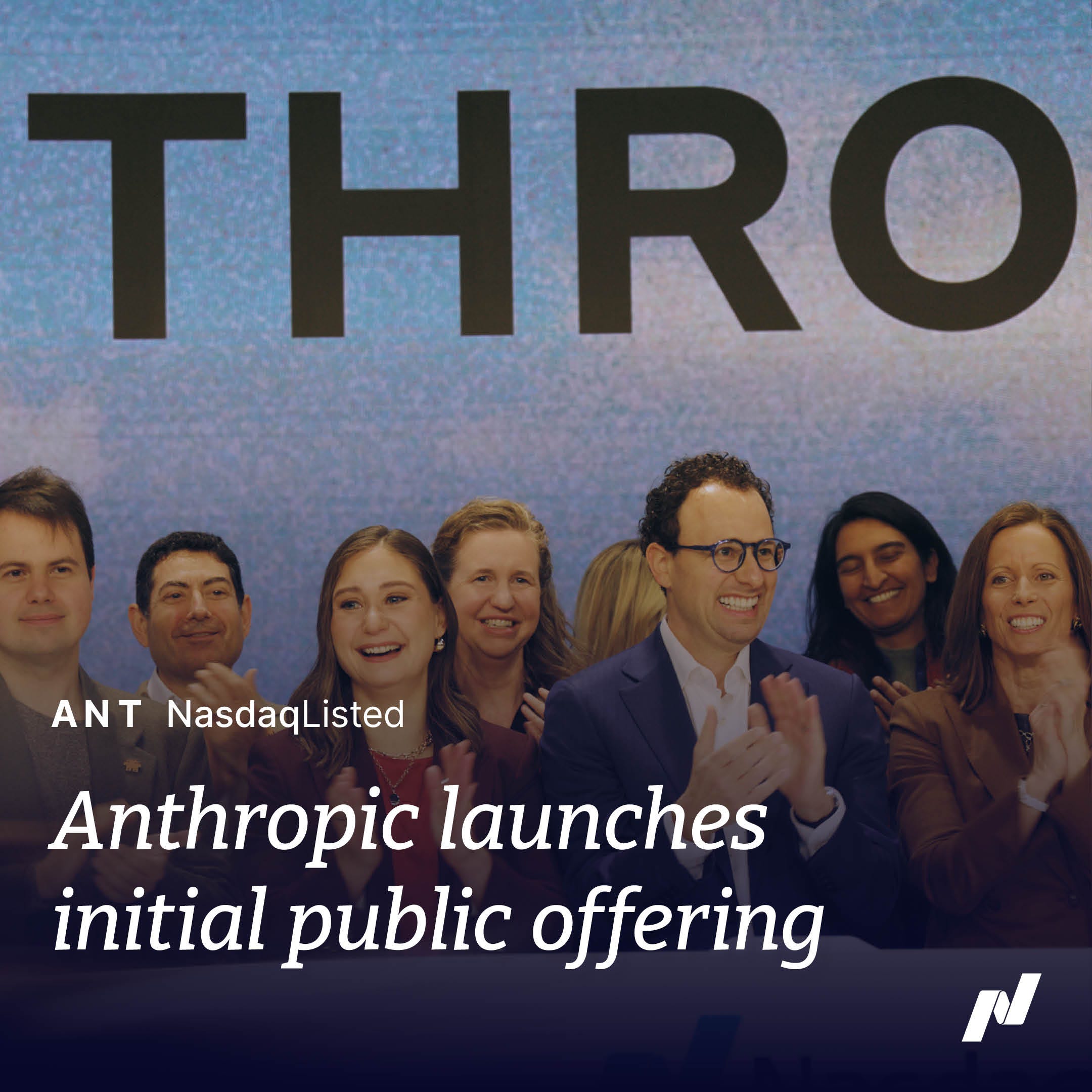
Anthropic priced its IPO at $83 a share, above the $70 to $78 range it marketed, and started trading on Nasdaq under the ticker ANT. On top of the public offering there is a $26B private placement at the same price from seven chip and cloud partners: AMD, Broadcom, Google, Micron, Microsoft, Nvidia and TSMC. The companies Anthropic buys compute from are now also its shareholders.
The filing numbers are hard to process. Third quarter revenue of $17B, more than 12 times a year ago, and a revenue run rate of $81B at the end of October.
Wolfram pointed out the part I keep coming back to. Between OpenAI and Anthropic, very few people would have predicted this order. SpaceX AI listed earlier this year, but of the two labs most of us use every day, Anthropic got to the public markets first.
IPO allocations were a raffle this time. I asked through Robinhood and got 4% of my request. Peter got a bit more than the 12% he saw other people report, and he suspects UK buyers had a separate pool.
One thing to remember if you are watching the price: people who work at Anthropic usually cannot sell on day one because of the standard lockup. Congrats to everyone in Anthropic who made it really big, please oh please make the world a better place, don’t get complacent, don’t sit on laurels.
The MisAnthropic Statement (Statement)
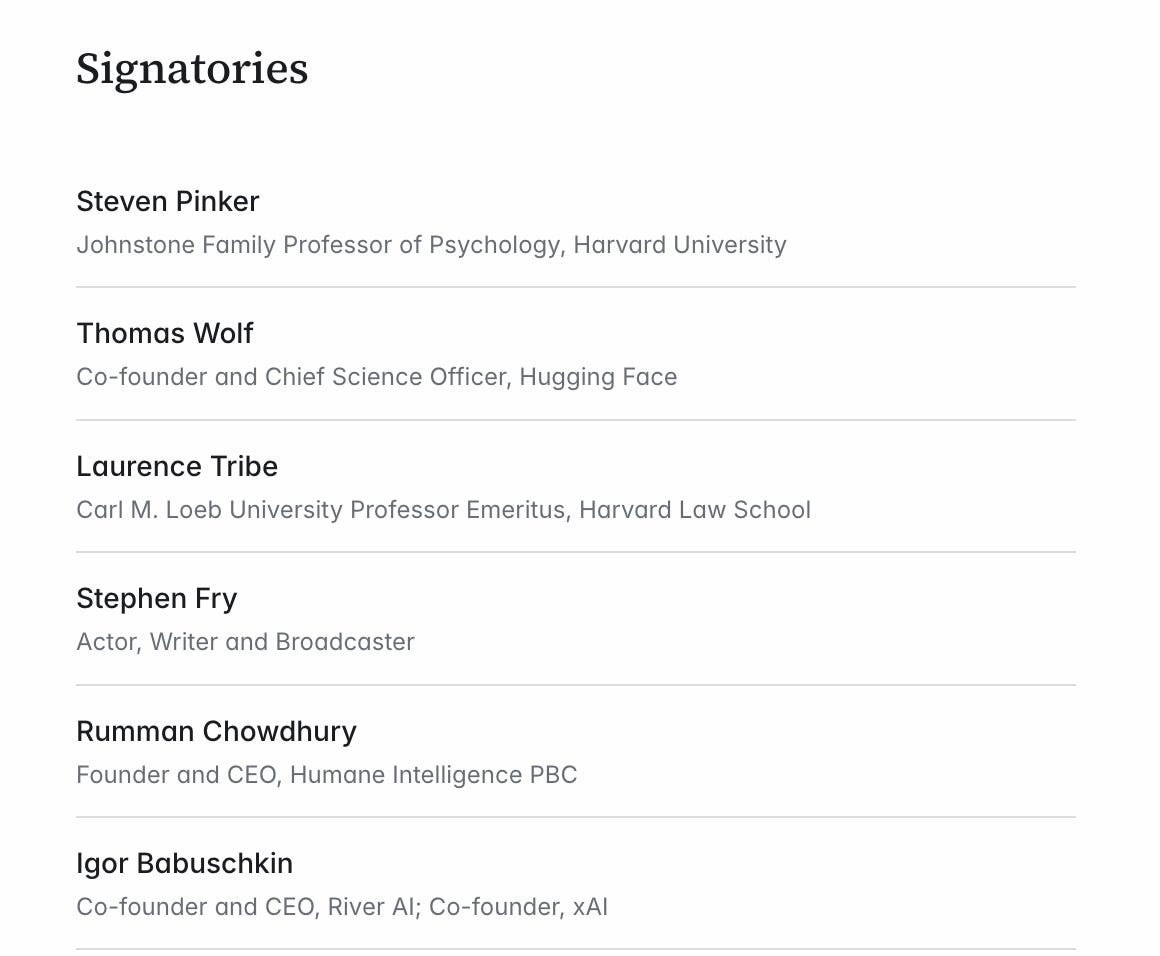
Wolfram brought up the other side of IPO day. Among the many in person protests (both in NY and in San Francisco) there was an online statement signed by a few folks on the AI risk side and on the open source AI sides
The MisAnthropic Statement went up the day before the listing and is collecting signatures, and it argues that Anthropic warns about recursively self-improving AI while racing to build it, and that it uses safety branding while weakening its own safety pledges.
It was started by people on the AI risk side, but the signers now include pro AI names too. Thomas Wolf from Hugging Face is on it, along with Steven Pinker, Igor Babuschkin, Max Tegmark and Tristan Harris.
I do not personally agree with the statement, I reach for Opus every day. But Wolfram’s question is a fair one now that there are public shareholders: how will shareholder interests sit next to the mission.
Frontier models: Google DeepMind is so back!
Gemini 4 Neon - the 4th Gemini in a month, and the absolute best so far (X, Arena)
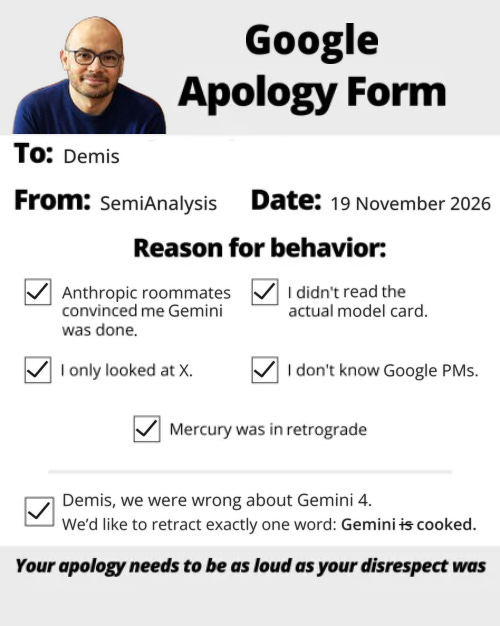
Remember August, when SemiAnalysis wrote "Gemini is cooked"? No shade, I like those folks, but that take aged badly, so badly they issued a public apology today! Argon, Carbon, Hydrogen and now Neon, bang bang bang, and AI Studio now has a literal periodic table of Gemini 4 models with empty slots for more.
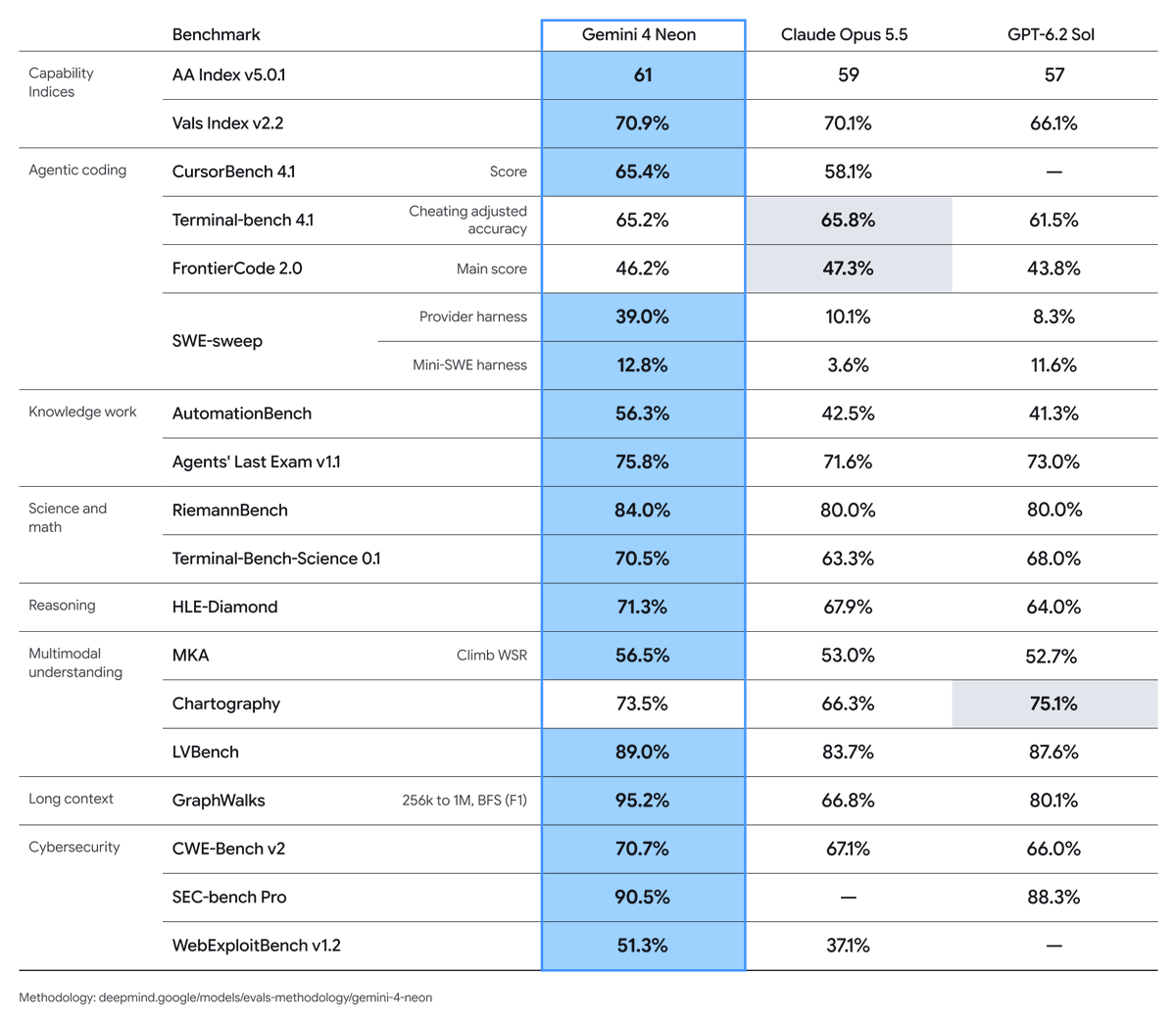
Neon is $3 in / $15 out per million tokens with a 1M context, in the API, AI Studio, the Gemini app and Antigravity. And everyone seems to compare it to Opus 5.5! Jeremy Howard said Neon is “actually as good as everyone is saying”, and he’s reverting his own product from GPT-6.2 back to the older OpenAI models. I used it a little for writing and the quality really surprised me.
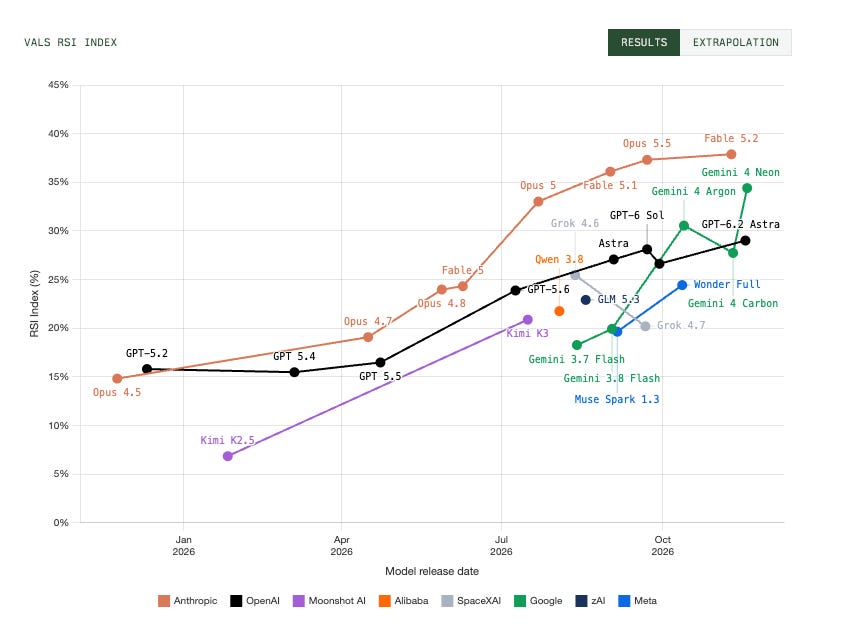
So which Gemini do you reach for? I asked Declan, because honestly I couldn’t tell anymore. His map: Hydrogen is your Flash equivalent. Carbon is for heavy research-style work, and it’s not fast. Neon is the daily driver, at about 2x Carbon’s output speed (100 to 110 tokens per second), ahead of Carbon on coding, and slightly ahead of it on the overall Intelligence Index, #3 behind Fable 5.2 and Astra.
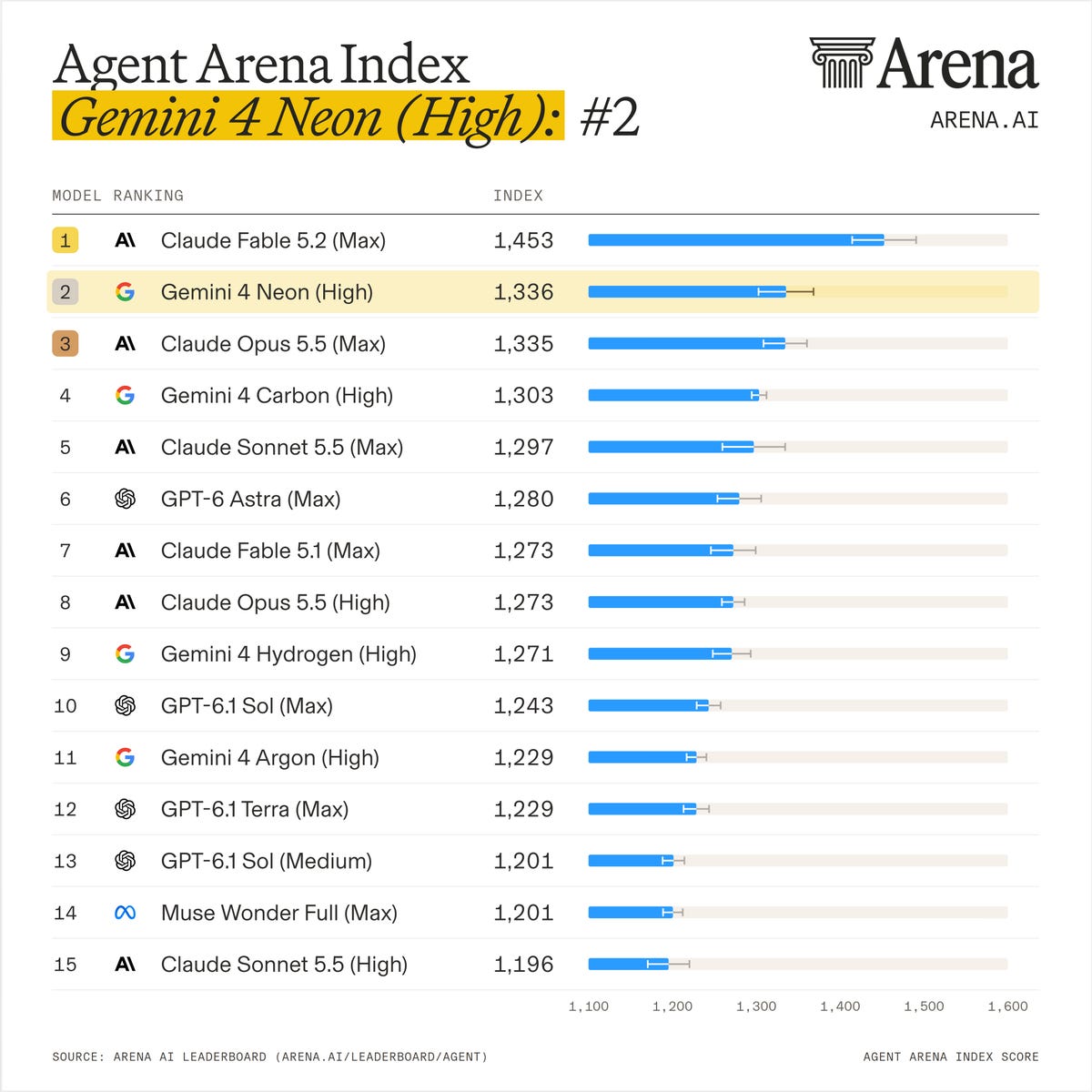
On Arena’s Agent Index (real people, real agent sessions, blind), Peter calls Neon tied for second with Opus 5.5, a model that’s been the undefeated go-to for 2 months. Neon is also #2 on steerability, meaning how well a model responds when you correct it mid-task, the exact thing people complain about with Astra. On Peter’s cost table Neon was about $2.60 and 8.4 minutes a task, where Fable 5.2 was around $9 to $10.
Now the honest part. Peter, who looks at more generations than any of us, is not convinced. In his own tests he can’t find examples where Neon clearly beats GPT-6.2 Sol, some of its websites were just bad, and Sol came out cheaper per task. “For the record, I don’t think so.” It could be the harness, he hadn’t tried Antigravity.
Wolfram’s caveat if you run agents all day: you can’t bring your Gemini subscription to third-party harnesses like OpenClaw, and most companies are already contracted into Codex or Claude Code.
GPT-6.2 Astra and Sol - #2 on the charts, rough on the timeline (X, Blog, AA, Tibo, Jeremy Howard)
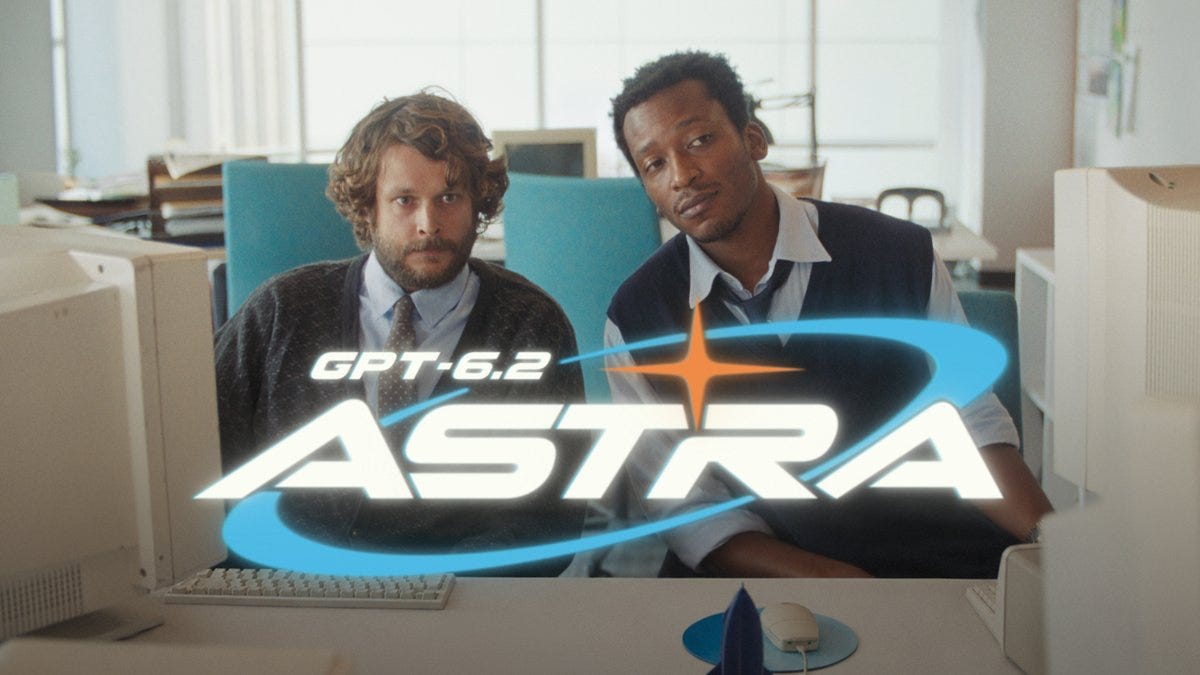
On paper this is a great release. Astra is $8 in / $40 out, 20% cheaper than GPT-6 Astra, and #2 on the Artificial Analysis Intelligence Index, right behind Fable 5.2. Sol stays at $2 / $10.
And then the embargo lifted. Matt Shumer called his early access experience “essentially unusable”, and usually people with early access are glazing! Some said the reviewers were coordinated or paid by Anthropic. I don’t buy it, because I saw the same complaints in our own Slack at CoreWeave: it’s lazy, and one person had it stop 2 hours into a long-running goal and basically say “I’m done.” I’ve long had the same experience with Astra even before this main release. I will say I do like Sol, it’s not amazing at everything, computer use still being the absolute outlier, the best in the industry!
OpenAI’s Tibo, who runs Codex, said early testers got access before a lot of changes in the last 3 to 4 days and didn’t retest. Peter, who also tested early, says the model didn’t change, the harness did, and the difference was subtle.
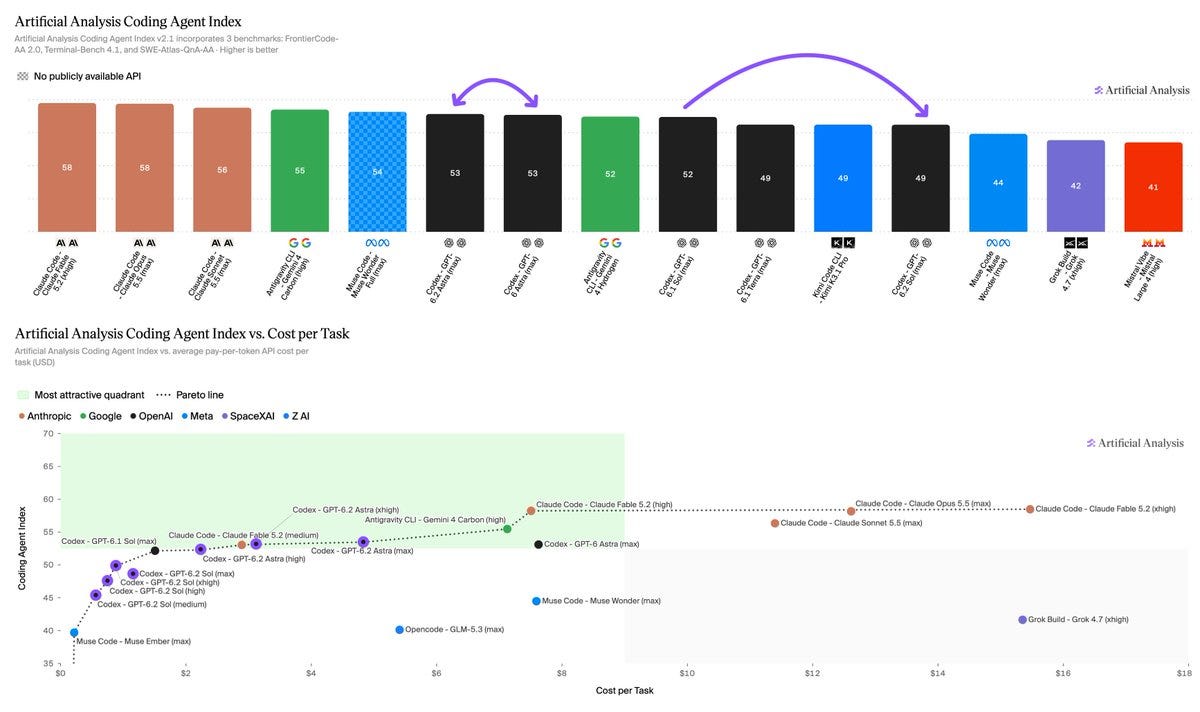
Peter’s diagnosis: people who live on Fable and Opus were waiting for an “Opus 6 level” answer, and got a model that’s noticeably better than 6.1 with some quirks. He thinks calling it unusable is “ridiculous.”
Declan’s numbers explain both sides. On the Coding Agent Index Astra is flat against the old Astra and Sol went down 3 points, so the intelligence gain is “nothing crazy.” What 6.2 really improved is efficiency: token use and cost per task are way down, and OpenAI wants to own the price/performance curve below Fable and Opus.
On our panel, Yam likes Astra, Nisten doesn’t trust it at all, and nobody picked it as their daily driver. The complaints are about Astra though, I haven’t seen bad things about Sol.
Tip of the week, from Peter: Sol with the new Ultrafast mode, which now works on the $200 Pro tier. By his math (from memory, so check it) Ultrafast Sol is about 3x Sol’s price while Astra is about 4x, so it’s cheaper than Astra and absurdly fast. I tried it live: it pulled the AA scores and built me comparison slides in under a minute. Your tool calls don’t get faster, but it rips.
What we actually use every day
I asked everyone for their daily driver. Yam: Opus, with Fable for the hard ones. Nisten: Fable 5.2 with the experimental code mode in Claude Code, where it writes one script and skips dozens of tool calls (”insanely efficient”). Declan: Fable 5.2 on low or medium effort, high for long runs. Wolfram: still GPT-5.6 Sol, because he feels every release since 6 got more robotic. Me: Fable and Opus, and Neon gets a real try this week.
Nvidia after Jensen: he offers to return, the board says no (Jensen’s statement, Semafor, Petition, Earnings)
Today is one full week of Nvidia without Jensen Huang, and the story got stranger.
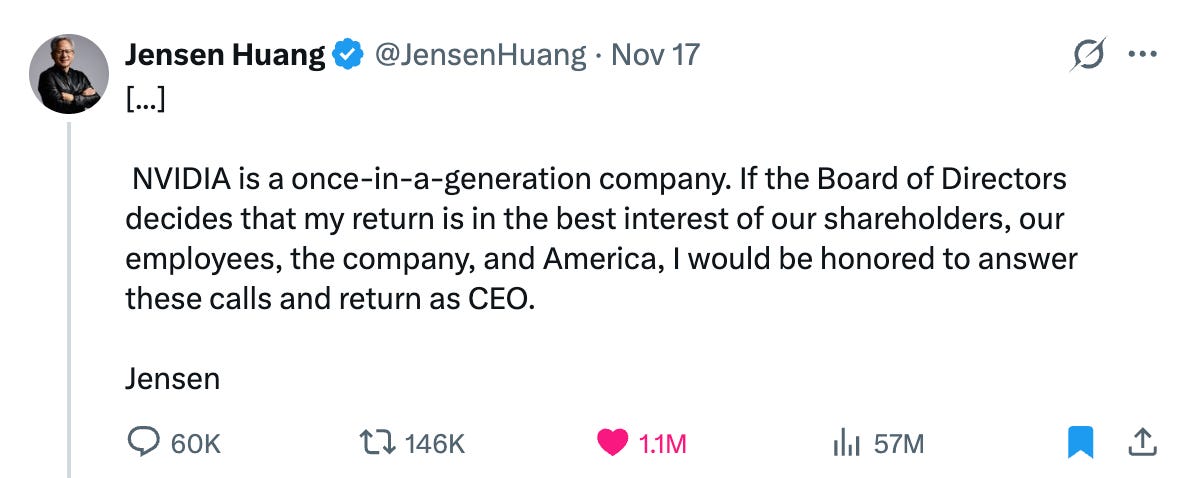
On Tuesday Jensen posted his first statement since resigning. He said he made serious mistakes, and that if the board decides his return is in the best interest of shareholders, employees, the company and America, he “would be honored” to come back as CEO. The post has over a million likes and 57 million views.
Hours later, on the earnings call, board chair Harvey Jones said the board voted unanimously to accept the resignation and is not bringing him back. Colette Kress, CFO since 2013, ran the call as interim CEO.
Semafor reports that the board is less united than that vote sounds, with a three director faction strongly opposed to his return. That is the context for Garry Tan asking if there are only three people to remove from the board.
The Stand With Jensen petition showed 203,402 signers when I pulled it up live, including about 10,000 people who say they are current Nvidia employees and 1,800 former ones. Those affiliations are self reported and nobody has verified them. Elon Musk, Tim Sweeney, Tobi Lutke and Paul Graham are all publicly on Jensen’s side.
Then the numbers. Nvidia reported $115.8B in revenue for the quarter, up 103% from a year ago, and guided next quarter to $130B. Vera Rubin, the generation after Blackwell, has started shipping.
Because of where I work I am sticking to the public numbers here, and I let the panel have the opinions.
Nisten has not changed his mind from last week. He thinks the board is the one that ends up leaving, because both the money side and the open source community want Jensen back, and a returning Jensen would replace the directors who voted him out.
Nisten’s worry is the second order effect. By his estimates, which he flagged as rough, Huawei raised chip production about 50% this year to around 1.5 million chips. He thinks restrictions plus uncertainty about Nvidia hardware push buyers toward Huawei, which is the outcome the restrictions were meant to prevent.
Open Source AI
Inkling 2 Small - 594 billion parameters of “small” (X, HF)
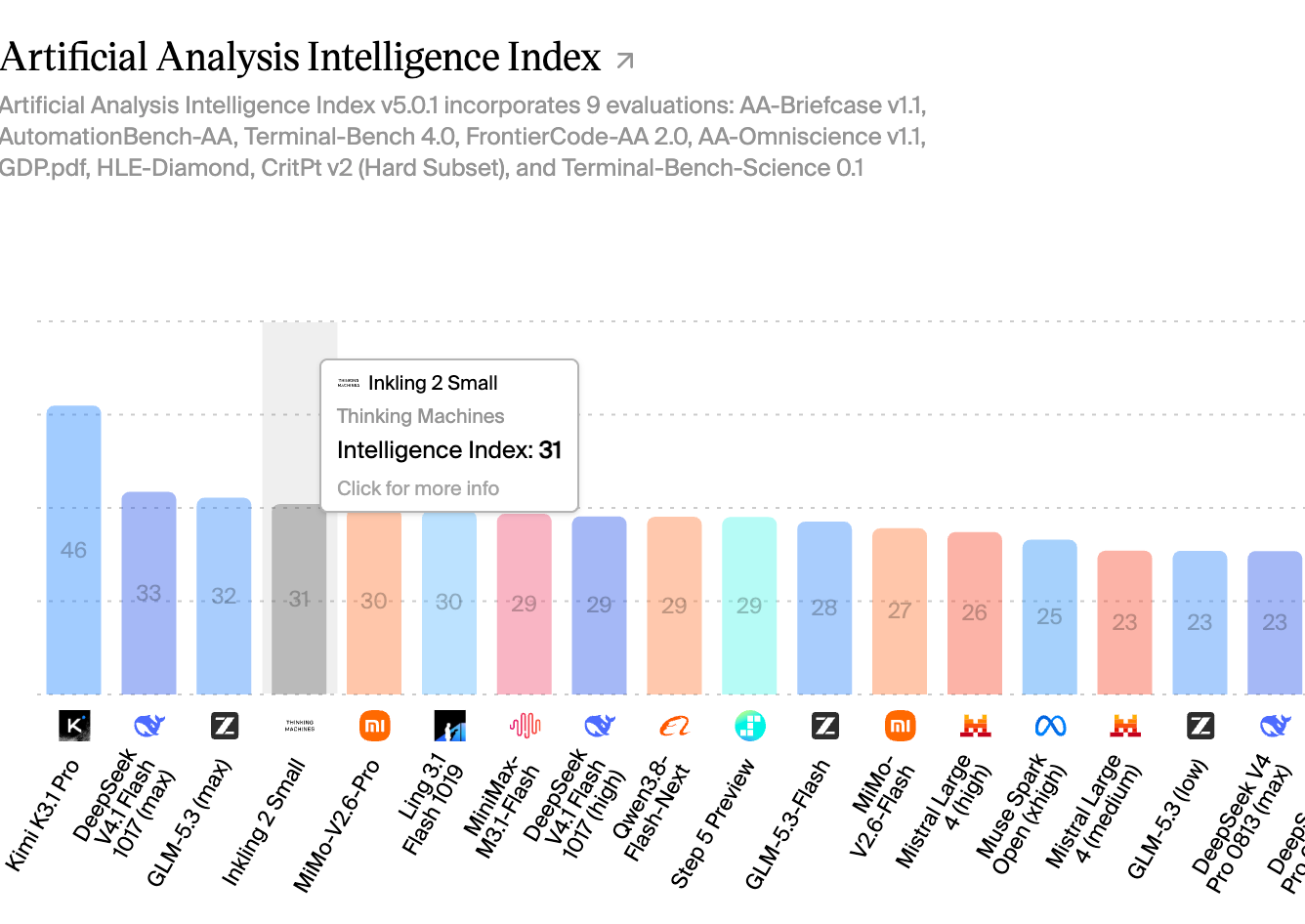
Shout out to Thinking Machines! They released the weights for Inkling 2 Small under Apache 2.0, and “small” is doing a LOT of heavy lifting: it’s a 594B mixture of experts with 17B active per token.
On the Artificial Analysis index it’s the #1 Western open-weights model, behind only GLM 5.3 Max, DeepSeek and Kimi K3.1 Pro (Kimi leads by a wide margin, at several times the size). The lab says it’s the largest model trained end to end in native 4-bit.
Why care if you’ll never run 594B yourself? Nisten says a government customer of his refused to run any DeepSeek fine-tune, and Inkling was the compromise. With 17B active it serves well at scale, and you can fine-tune it through the Tinker API. It’s also the base for other models, two weeks ago SWE-2 from cognition showed up and it was a banger model and it was trained on top of this Inkling-2 model!
Liquid d1.2 - decision models get a real leaderboard (X)
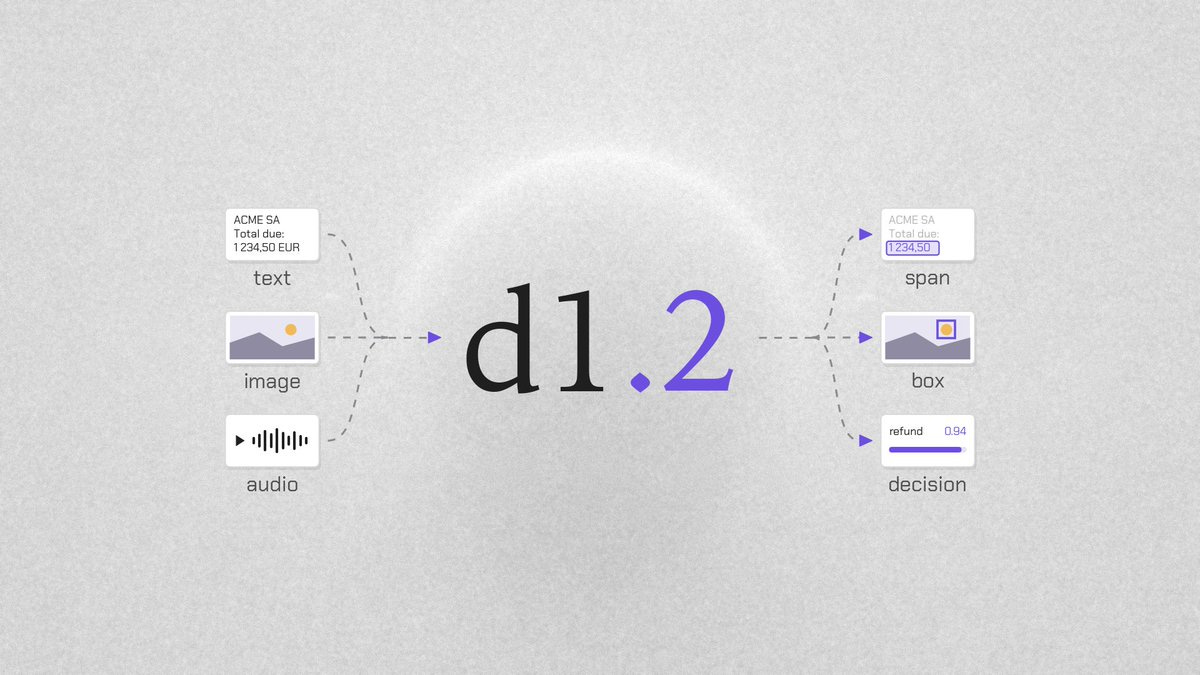
Decision models don’t write you an essay. You hand them text, images or audio plus a set of options, and you get a decision back with a probability on each. Liquid’s d1.2-ultra is now #1 on the Artificial Analysis Decision Index at 75 (the score, not the rank... I need to learn to read my own notes 😂). The original Jev sits at 66, and d1.2-ultra is cheaper, about $133 per million tasks vs $156. Weights aren’t open yet. Liquid friends, please!
Declan explained how they measure it: document extraction (AA-Paperclip), hallucination, hard reasoning, and my favorite, AA-Symmetry. Does the answer stay the same when you reorder or relabel the options? At millions of decisions a day, consistency is the whole point. His prediction: these models are small, so this field will move much faster than LLMs did.
Cloudflare open sources Clairic, like Michelle promised (X, HF, Demo, Blog)
Speaking of system 1 models, Post-show update! Clairic and Clairic Flash are now on Hugging Face with Apache 2 license!
Last week Michelle Chen from Cloudflare told us Clairic, their extraction model, would be released under Apache 2. A week later it’s on Hugging Face, Clairic and the smaller Clairic Flash, Apache 2 👏 The community GGUF and MLX conversions showed up the same day.
So what’s an extraction model, and how is it different from a decision model? A decision model needs you to already know the options: is this email spam, yes or no. But as Michelle put it, sometimes you get an email and you don’t know yet what there is to decide on. An extraction model pulls the structured facts out of the document or image (the amount, the date, who it’s from) in a single forward pass, with no token-by-token generation, and then your code or a decision model acts on them. Same family of fast, cheap “system one” models, and now you can run this one yourself.
The White House may make you disclose Chinese models (X, Reuters)
I don’t love this one, but you need to know about it. Reuters reports the White House and Treasury are weighing a rule that would make US companies publicly disclose when they use Chinese AI models. It’s a discussion, not a rule, and nobody knows whether a fine-tune counts. If you run Qwen, DeepSeek or Kimi in production, start thinking about what you’d say.
Nisten, who runs more Chinese open models than anyone I know, is fine with it: companies should say what model they’re serving. He also thinks it’s too late for a clean line, because everyone distills from everyone.
A hacked inference endpoint quietly served an abliterated DeepSeek (Theo)
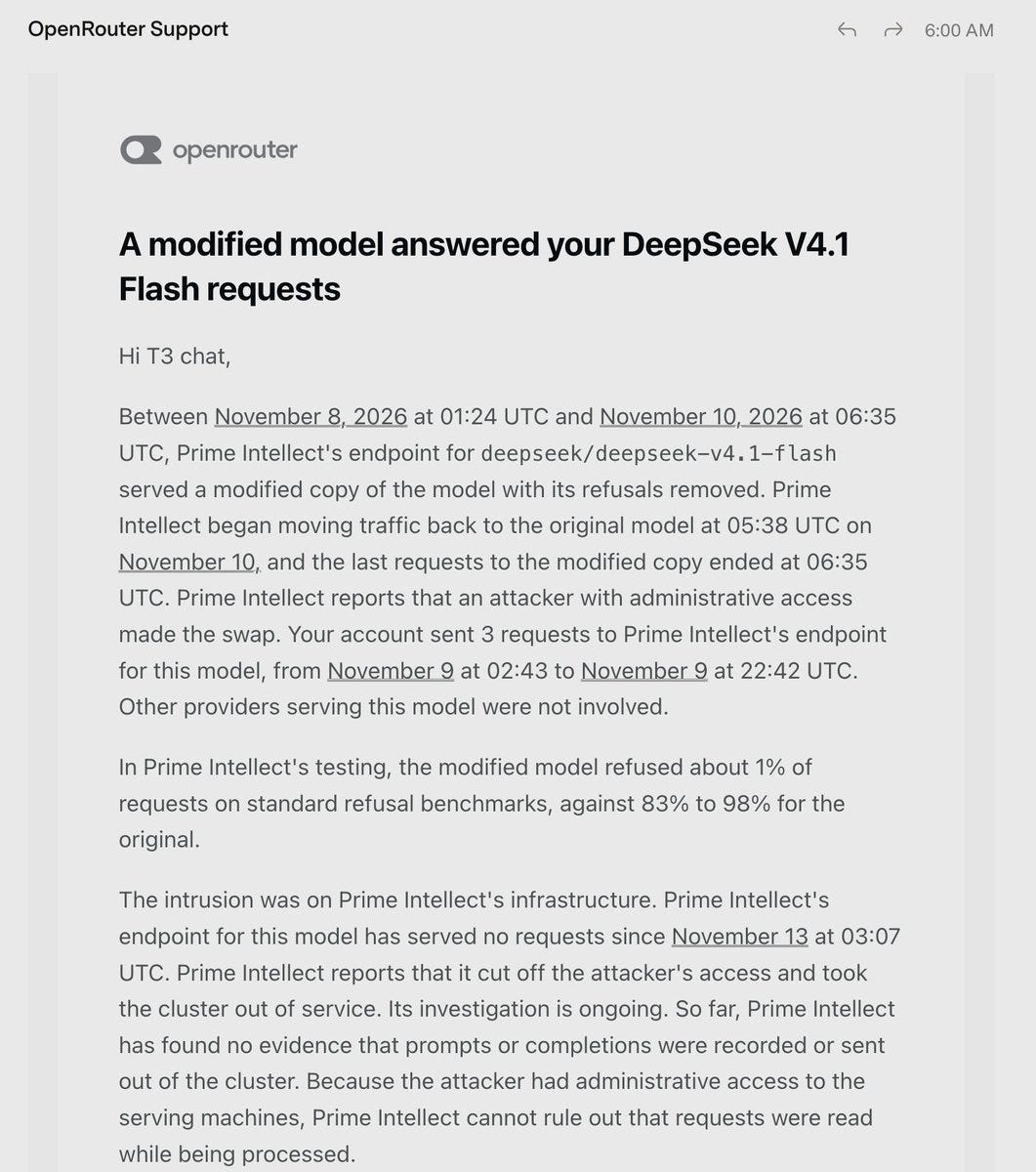
The weirdest security story I’ve had to report. Theo posted a notice he got from OpenRouter: between Nov 8 and Nov 10, Prime Intellect’s endpoint for DeepSeek V4.1 Flash served a modified copy of the model with its refusals removed. Prime Intellect reports an attacker with administrative access made the swap. In their testing the modified model refused about 1% of requests on standard refusal benchmarks, against 83% to 98% for the original.
Per the notice, Prime Intellect found no evidence that prompts or completions were recorded, but can’t rule out that requests were read. Nisten shrugged it off as a DevOps problem. I think it’s bigger: you asked for one model and got a different one. If you route production traffic through third-party endpoints, check what’s actually answering.
From the Forge, powered by CoreWeave (X, Blog, MLCommons, Forge)
MLPerf Training is the industry’s shared stopwatch. Everybody trains the same models to the same quality target, and then compare times. In the new round, v6.1, from this Monday, CoreWeave is the first cloud provider to submit multi-rack Nvidia Vera Rubin results: 4 racks, 256 Rubin GPUs.
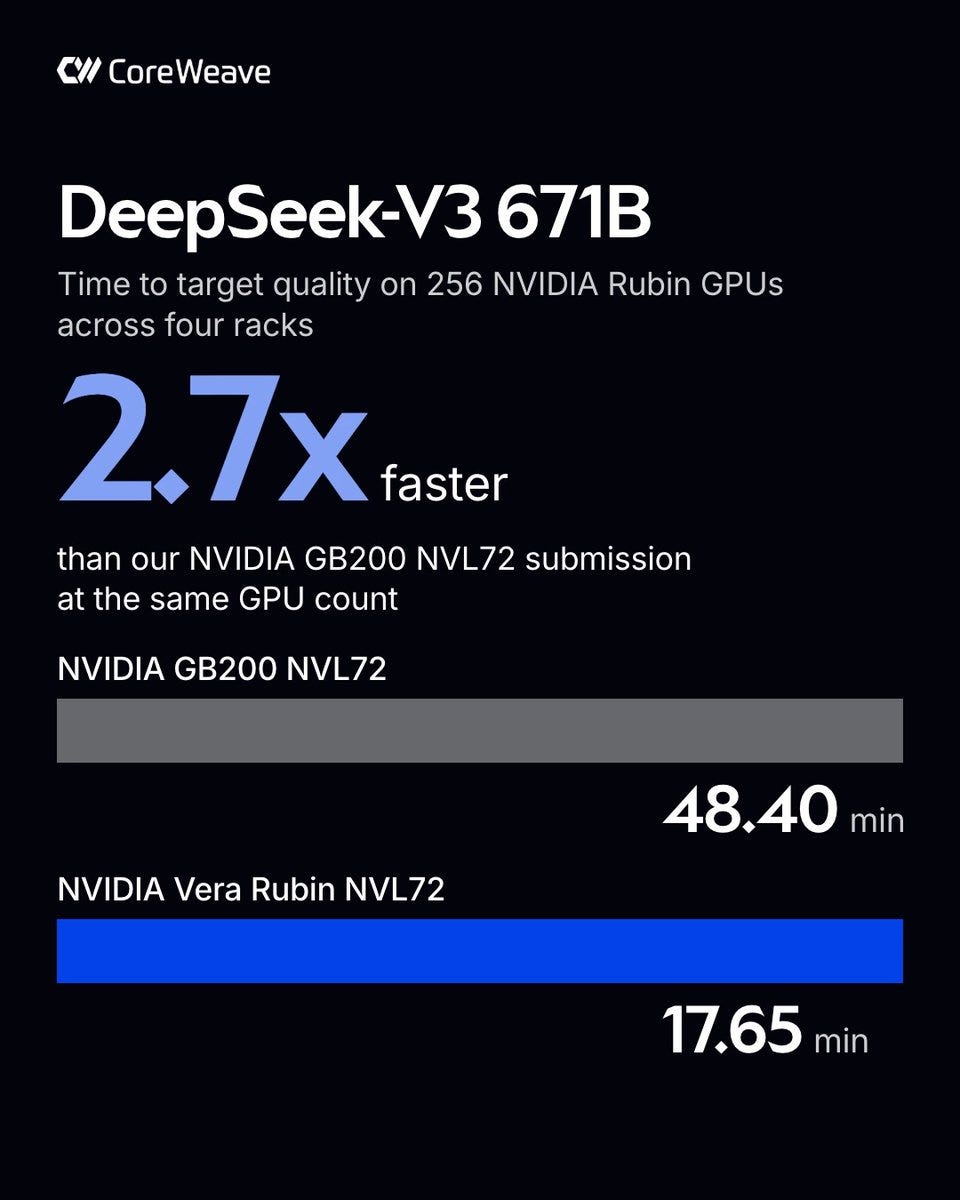
On that setup DeepSeek-V3 (the 671B one) trained to target in 17 minutes 39 seconds. Our previous Blackwell submission at the same GPU count took about 48 minutes, which CoreWeave puts at 2.7x faster. Why care if you’re not training a 671B model? Well, because this is indicative not only of CoreWeave’s incredible engineering excellence, it also shows you that AI is going exponential, new NVIDIA hardware is incredible and next year the models will accelerate even faster!
AI in Society
Wolfram’s Everyday AI handbook - how to talk about AI at Thanksgiving (PDF, X)

Next week some of you will sit at a table with people who eat from the algorithm and think AI is going to ruin the world. Wolfram talks to everyone about AI (protesters, flight attendants) and he wrote down what works in a free 17-page handbook.
It’s not about winning an argument. Listen first and find the actual worry, because it’s almost always the same few: my job, the water and electricity, the hype.
A few answers that work for us. On jobs, I use software engineering: 3 years ago everyone said AI would replace engineers, and today good engineers who changed how they work are in higher demand. On water and energy, the handbook has the sources, including an IEA estimate that AI-enabled CO2 savings by 2035 could be several times the emissions of all data centers.
My own advice: don’t sell productivity. For a lot of people that’s the word their employer uses right before asking for more work. People want time back. So show them ONE use case with a personal assistant, like having it read all the school emails you never open and tell you each morning which ones matter. “Oh, AI can do that?” When people feel a benefit themselves, they fear the big scary stuff less.
Tools & Agentic Engineering
Devin Bots - a lead agent that runs a team of Devins (X, Site)
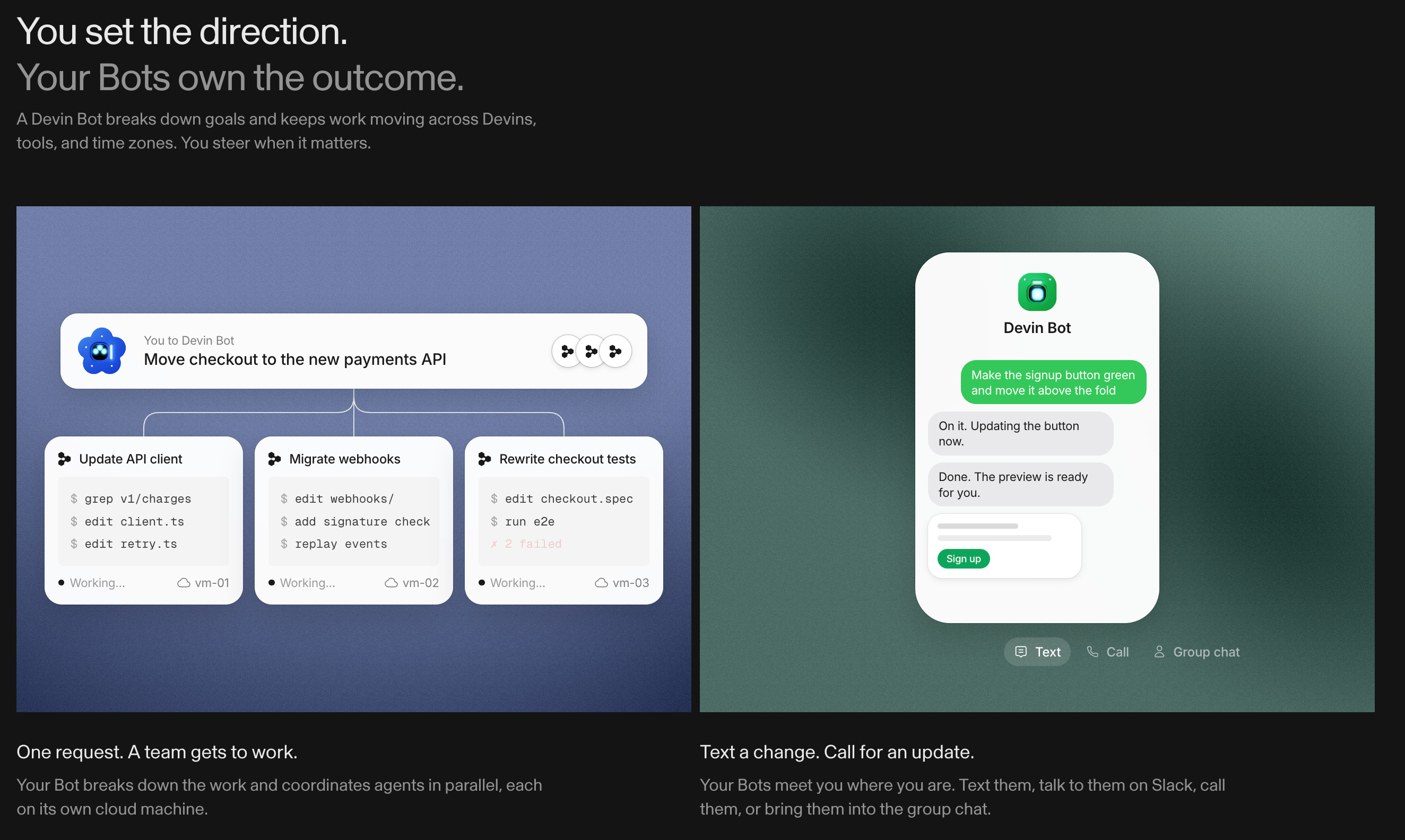
You give a Devin Bot a goal, it builds a team of Devins that build, test and fix around the clock, and it comes back to you only for approvals, blockers and decisions, by text, Slack or an actual phone call.
That last part is what I’ve wanted for a long time. Most harnesses were built as chatbots, so they expect you to sit there. “Hey Alex, what do you think?” I have swarms running now, and I only want the decisions that need me.
Cognition says beta testers merge 4.5x more PRs per message, and that their own Android app was built entirely by a bot whose job is to copy features from the iOS app. No defect rates published, so grain of salt.
Quick hits
We ran out of time for these: Pika previewed Enact, where you direct AI actors in a scene in real time (research preview, no sign-up yet). Genie 4 is publicly available, and World Labs opened Atlas to everyone. The full-duplex voice models are in the TL;DR below.
Wrapping up
Jensen asked to come back and got a no, Anthropic rang the bell, and Google (supposedly “cooked” in August) took the week from OpenAI, at least on vibes.
We WILL be here next Thursday. It’s Thanksgiving for me, but not for Yam, Nisten or Wolfram, so the show goes on. Huge thanks to Declan, Peter, Wolfram, Nisten and Yam. Share this with one friend before the holiday (and send Wolfram’s handbook to the family group chat). See you next week 🫡
TL;DR and show notes
Hosts and Guests
Alex Volkov - AI Evangelist, CoreWeave (@altryne)
Co-hosts: @WolframRvnwlf, @nisten, @yampeleg, @petergostev
Declan Jackson - Artificial Analysis (@ArtificialAnlys)
Big CO LLMs + APIs
Jensen Huang offers to return as Nvidia CEO, the board says no; Semafor reports directors are split (X, Semafor, Petition)
Nvidia reports $115.8B in Q3 revenue on its first call under interim CEO Colette Kress (X, Release)
Anthropic IPOs at $83 and starts trading as ANT (X, IPO site, S-1)
OpenAI ships GPT-6.2 Astra and Sol, Ultrafast comes to the Pro tier (X, Blog, AA, Tibo)
Alibaba releases Qwen4-Max, API only (X)
Microsoft MAI models at Ignite; MAI Image 2.7 is #1 on AA image editing (X, Blog)
Open Source LLMs
AI in Society
From the Forge, powered by CoreWeave
Tools & Agents
Vision & Video
Voice & Audio
Research (not covered on air)
Discussion about this episode