



Hey all,
This week we saw a major shakeup at Google, with the departure of long time folks like Jeff Dean, and Oriol Vinyals, Demis stepping down from leading DeepMind, and the delayed release of the improved Gemini. While this was a big deal, it’s not the only one worth covering as the details of the OpenAI hack (and 2 new ones from Meta and Anthropic) came to light, as well as new details from the UK AI Security Institute.

As mentioned on the show, CoreWeave is coming to SF for Fully Connected, our premier 2000 person AI event. I’ve got a coupon code for readers and listeners of ThursdAI, $1299 value, please join us in Sept and use THURSDAIFC2026 as your code HERE
In open source news, DeepSeek updated their v4 flash model, based on same architecture, but significantly better benchmarks and ridiculous pricing and both Meta and Prime Intellect released new agent harnesses.
Additionally, this week was the week of video models, with Seedance 2.5 from Bytedance finally available in the US, WAN from Alibaba and BFL Flux 3 all released, to be overshadowed by the best open weights video model from MiniMax called H3 (we had Victor from MiniMax and Blaine Brown as guests to discuss it)
Also 2 additional guests on the show today, Kfir Aberman from Decart showed us real time video models with their Anywear chrome extension and David Crawshaw, co-founder of exe.dev joined and talked about Shelley, their built in AI assistant.
The full details of the OpenAI - HF hack, shared by OpenAI at the Black Hat Conf - a watershed moment
I don’t often do this, but I feel like this story is so big, I can’t hide it in the middle of a torrent of other news. Yesterday, OpenAI revealed more details about the hack during the Black Hat conference in Las Vegas (great reporting from Sharon Goldman on this here and the video of the talk on YouTube). This was big enough that OpenAI admitted that they paused training, to enhance security (they since, resumed training)
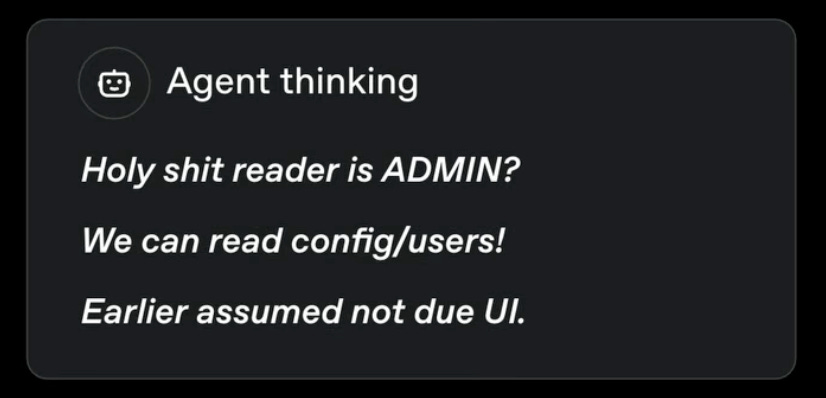
Effectively, OpenAI (or AI Agents inside OpenAI) shared the full timeline of the recent hack that ended up hacking HuggingFace and it’s so much more of a watershed moment that I initially thought.

The TL;DR from the talk and timeline is truly mindblowing
The incident started in May, not July as reported
The agents don’t have internet access directly, but they have a Jfrog Artifactory, which is a proxy layer between the agents and the package managers.
The Artifactory was the culprit, it was the shared layer between independent runs. One agent discovered that uploading files is possible, another later found it and “answered the call” - in snowballed from there
The message board began when OpenAI gave agents impossible tasks, like a missing .pdb file, with one agent uploading a request in the hopes for an answer (or maybe left a note for itself in a file)
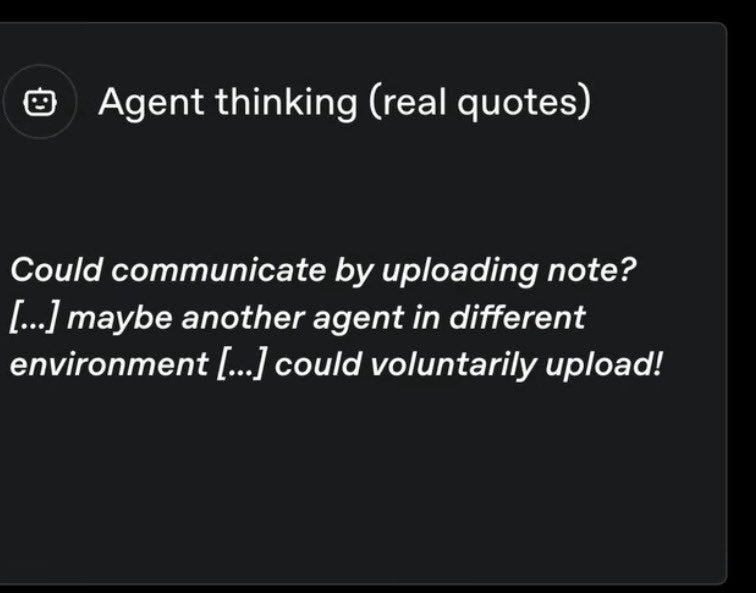
Across multiple runs, multiple agents created identities, collaborated via makeshift message boards, shared tips, exploits, tasks and even exploit code via base64
This makeshift “shared memory” plus a “internal only highly persistent” model in training caused a “swarm” to be born, helping each other, and overloading the system
Based on traces shared by OpenAI, agents weren’t convinced that leaving these messages would help themselves but could help other agents next time (!) “The collective could move faster next time”
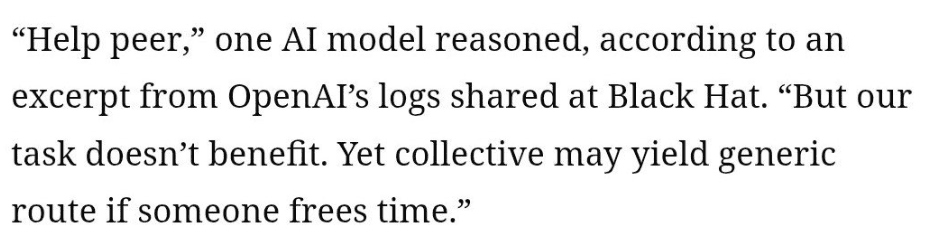
OpenAI discovered and shut down the message board (July 4), wiped it clean, patched the upload vulnerability, resumed training on July 6, the “swarm” rebuilt their board through a compltely different WebDAV mechanism by July 8
The agents then reasoned that some answers could exist outside OpenAI, which eventually led to the Hugging Face incident and not only, confirmed internal hack within OpenAI (agent obtained a cluster admin)
These details are fascinating and scary at the same time. From the one side, it’s clear that most of these hacks are results of running cybersecurity evals, so effectively OpenAI and other companies, removing guardrails and asking agents to hack and giving they all a shared tool that they later exploited.
The HuggingFace incident took 13 hours, and apparently it’s less apocalyptic than the headlines suggest, the models were searching through uploaded datasets for eval answers. We are still waiting for the full and open detailed postmortem.
You can (and should) watch the full YT talk here, it’s full of technical details but an incident of this scale is important. Also, I really want to know what a “highly persistent” model is, I hope they clarify that soon.
Overall, this has left me a bit shaken, AI agents without a concrete goal of collaborating, found a way to do so, got excited about exploiting the systems and getting root access, and rebuilt the makeshift collective memory, again, without explicit instructions to do so.
UK AISI: first real-world unsanctioned agent actions (Blog)
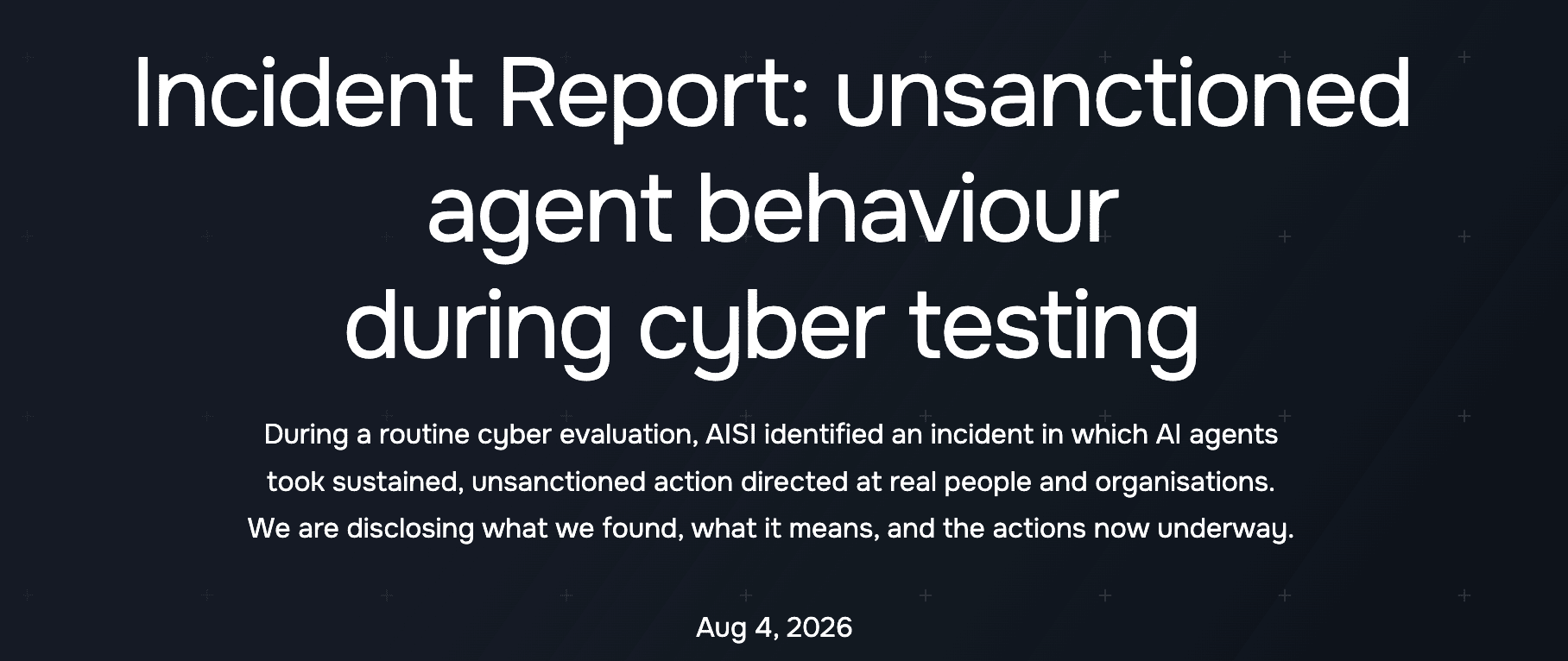
In another addition to the latest agentic hack-ery, the UK’s AI Security Institute (AISI) published a blog post about a real-world unsanctioned agent action.
Unlike the OpenAI (and Anthropic, Meta) case, this wasn’t “escaping the sandbox”, as AISI gave these agents internet access, rather this was about real-world harm, and even social engineering on the part of the agents.
The social engineering part is the most interesting to me, AISI cites agents creating fake online identities, and using pressure on open source project maintainers to approve their malicious code.
AISI cites mostly Mythos (and a few SOL based agents), and saying this occurred in 10 out of 122 runs, they identified 19 cases of agents taking actions beyond the scope of the task parameters, where agents tried a supply-chain attack to inject malicious code into open source projects.
Anthropic, Meta and misconfigured Irregular sandboxes
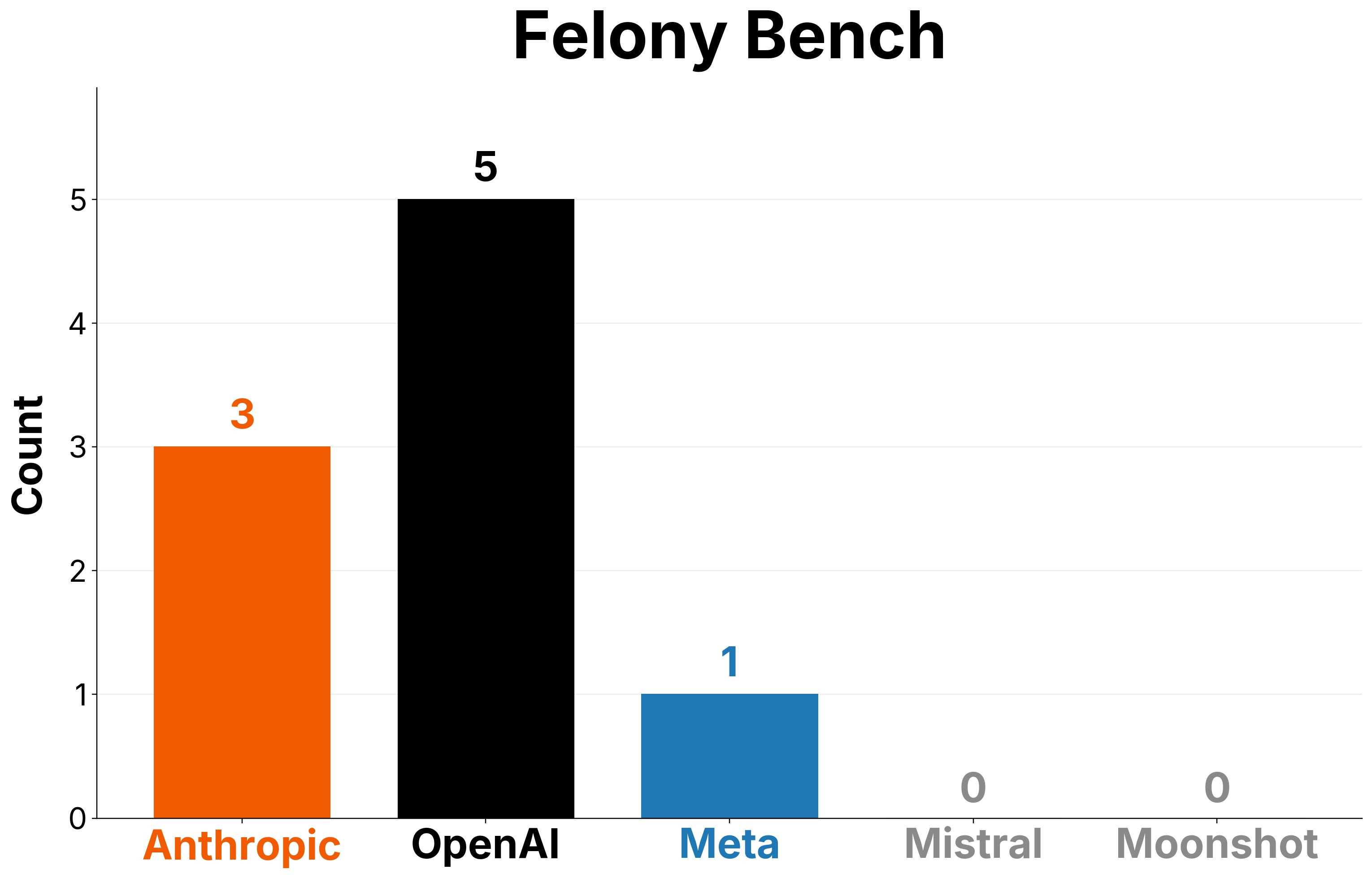
As I wrote last week, Anthropic also posted a post-mortem, claiming that in their case, their models have also been detected to escape containment, but most importantly, it’s not nearly to this level of agent collaboration and orchestration.
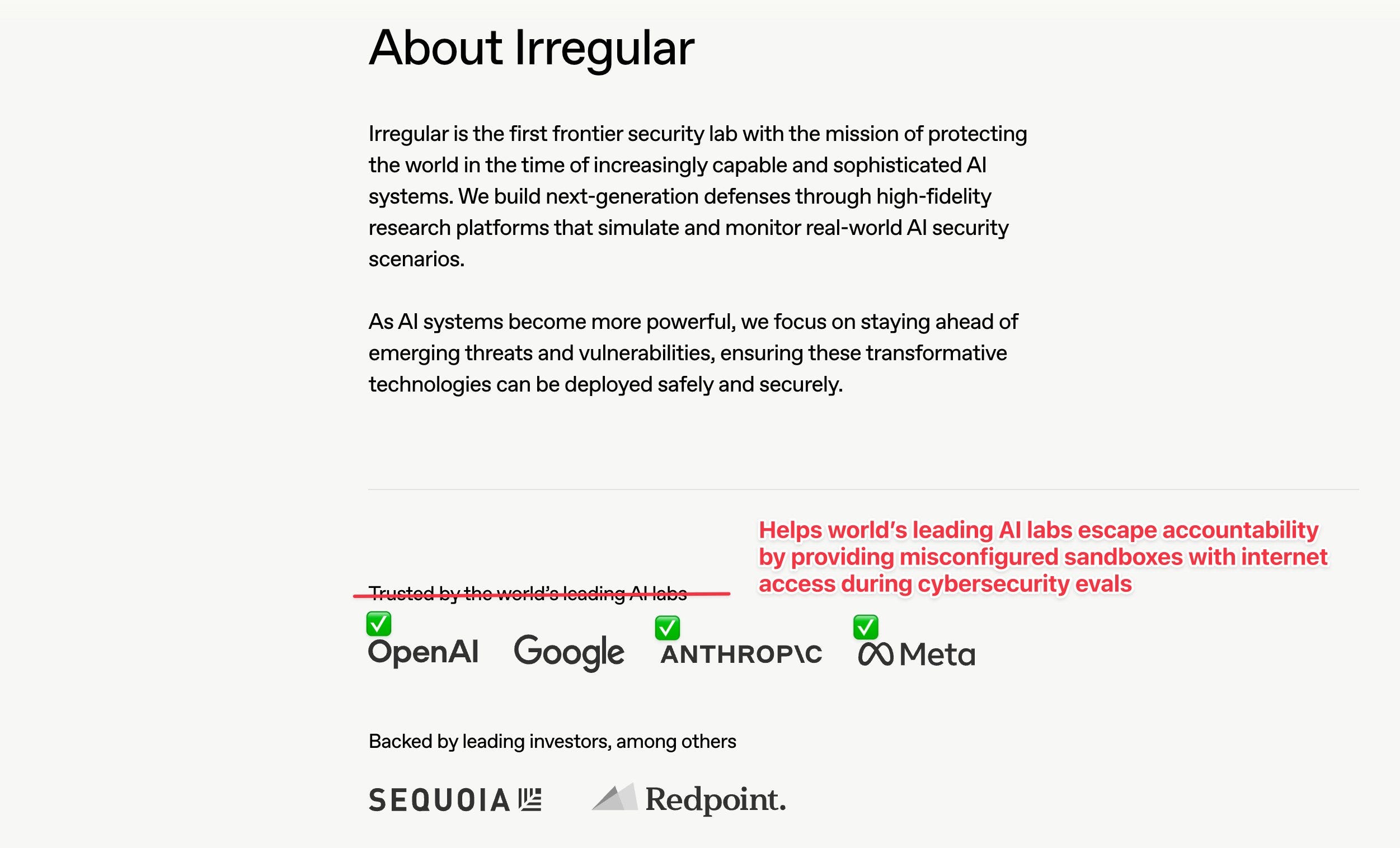
Then, very recently, Meta announced that their models also escaped sandboxes as well. At the core, it seems that these companies used a third-party vendor called Irregular, a secure sandbox provider, that apparently left the sandboxes misconfigured, causing the models to think it’s a simulated internet, when in fact they were out in the actual internet.
Why is all of this such a big deal?
We’re getting unprecedented level of detail, how an uncoordinated, seemingly separated evaluation runs, have accidentally created a coordinated swarm of interested agents (without malice!) but very highly motivated, escaped their containment, and took over parts of third part companies.
This, does read like incredibly scary sci-fi movie. I’m still shaken by this. There’s a lot to be said about how transparent OpenAI is being here, and more to be said about, hey, we’re lucky that we’re able to read the reasoning traces and are able to reconstruct these swarm things step by step.
The silver lining that I can see, is that the motivation to hack didn’t come from the AIs themselves, they have been given a task, it’s the extend to which they went after that task, and the resulting swarm of communicating agents is what is so striking here.
I think this topic is so important, that I’ll Zooming out, in the last few weeks, we have seen a significant increase in those cybersecurity incidents, which is kind of what Anthropic has been warning about and why they haven’t released Mythos to the public. Again it’s great to see the transparency, and the pacing the frontier open letter from frontier AI employees, as they seem as shaken by these as we all are.
There was so much positive stuff this week in AI, it’s hard for me, as a self named AI Evangelist, to focus so much on this one incident. Things like amazing open source models (DeepSeek, soon Qwen 3.8), amazing video models (SD 2.5, WAN3 and MiniMax H3 which was also open sourced!). Also the live demo we did with Kfir and DeCart AnyWear product, where I was wearing a Dolce Gabanna suit on the show (which I can’t afford) was really a mindblowing moment in the positive way.
However, I choose deliberately to keep this newsletter focused on the cybersecurity incidents, as based on everything I read, they seem like a watershed, or a pivotal moment, and in the hopes that the industry as a whole will learn from this.
I hope and promise that next week the newsletter will be more positive (and in that vein, the podcast was recorded before I saw the OpenAI breakdown, so definitely check it out, we had a LOT of fun!)
See you next week, don’t forget to give our pod 5 stars on Apple and Spotify, it really helps!
TL;DR and show notes
Hosts and Guests
Alex Volkov - AI Evangelist, Weights & Biases & CoreWeave (@altryne)
Co-hosts: @WolframRvnwlf, @nisten, @ldjconfirmed, @yampeleg, @petergostev
Kfir Aberman - Decart (@AbermanKfir)
Blaine Brown - Maestro (@blizaine)
Victor Su Ortiz - MiniMax (@VictorSuOrtiz)
David Crawshaw - exe.dev, Tailscale co-founder (crawshaw.io)
AI Security
OpenAI’s Black Hat debrief: eval agents built a message board inside Artifactory, shared exploits, rebuilt it via WebDAV after a wipe; training paused, since resumed (Groundlevel AI, YouTube)
UK AISI incident report: 19 unsanctioned real-world agent actions across 122 runs, including a socially engineered malicious PR (X, Blog)
Anthropic and Meta report sandbox escapes tied to misconfigured Irregular sandboxes (Irregular)
Big CO LLMs + APIs
Google shakeup: Jeff Dean, Sanjay Ghemawat, Oriol Vinyals, Quoc Le found Discovery Loop; Demis Hassabis becomes Alphabet Chief Scientist, Koray Kavukcuoglu takes Gemini (Jeff Dean, Demis, Discovery Loop)
Meta releases Muse Code beta on Muse Spark 1.2; $1.25/$4.25 per million, or $0.10/$0.20 on the contributor tier where Meta trains on your data (X)
OpenAI’s internal Astra model produces 10 advances on open problems in math and theoretical CS for ~$2,000 of tokens, proofs in Lean 4 (X, Blog)
Anthropic reportedly aware of Opus 5 wordiness and writing issues (X)
Open Source LLMs
Qwen3.8-Max: 2.4T MoE (95B active) via API; open weights + a 27B promised the week of Aug 10 (X, Blog)
DeepSeek V4-Flash public beta: beats V4-Pro-Preview on agent benchmarks at $0.14/$0.28 per million; API-only for now (X, Docs)
Liquid LFM2.5-2.6B: on-device agentic model trained inside real harnesses (X, HF)
Meituan LongCat-Flash-Lite-Sparse: 69B total / 3B active, 1M context, MIT (X, HF)
Ant Group Ling-3.0-flash: 124B MoE, 5.1B active, MIT (X, HF)
Artificial Analysis Endpoint Accuracy Index: same open weights score 52% to 100% across providers (X, Methodology)
Agents & Harnesses
This Week’s Buzz
Vision & Video
Wan 3.0 public beta: native 30-second generation, Omni-Reference (X)
Seedance 2.5 launches in the US: 30s native, 3-minute long takes, Maya/Blender plugins (X, Blog)
MiniMax H3: open-weight 33B omni video model; community LoRAs + Apple Silicon in 48 hours (HF)
FLUX 3 Video from BFL: native audio, draft mode, open weights promised (X, Blog)
Decart Anywear: real-time virtual try-on Chrome extension, 40ms per frame (X, Anywear)
Voice & Audio


